












Amplified: Music of Protest at People’s History Museum
Johnny James, Managing EditorBook now
Amplified: Music of Protest
Always double check opening hours with the venue before making a special visit.
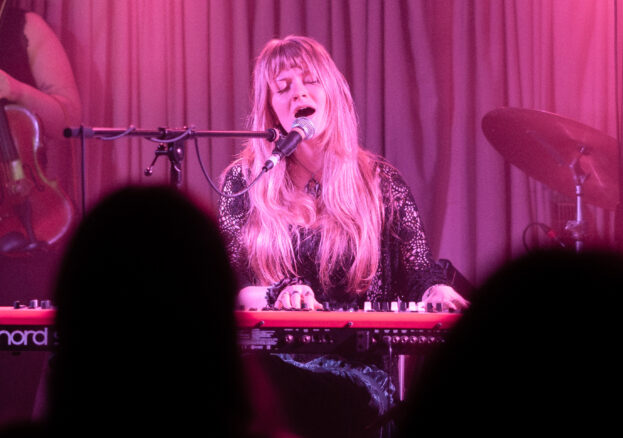
The RNCM trains some of the most technically accomplished young musicians in the world – people who have spent their lives learning a demanding, rule-bound discipline. People’s History Museum (PHM), by contrast, is devoted to those who decided that rules weren’t working in the struggle for a fairer world for all, and said so loudly. On 4 July, the museum opens after hours for an event that asks what happens when you put these two worlds together.
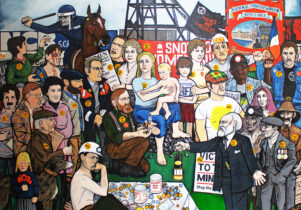
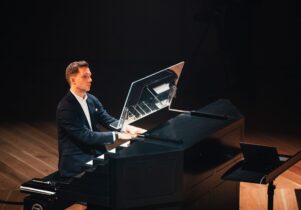
Working with poet, playwright and activist Louise Wallwein MBE – more on her shortly – a group of RNCM musicians were each commissioned to write new music in response to the museum’s collection and current programme. They were encouraged to explore the museum independently and hone in on whatever resonated. At their fingertips: Re/Assemble, an exhibition exploring the 1988 Section 28 protest march – the largest LGBTQIA+ demonstration in British history – and On The Line, which marks the centenary of the 1926 General Strike.
Both exhibitions spill across galleries full of objects that carry the weight of real events – strike shelters and picket banners, protest posters and placards. PHM’s collection doesn’t just record these moments – it holds them in sequence, each act of resistance and rebellion informing the next. On 4 July, the students add a living soundtrack to that sequence, performing their new music among the objects that inspired it.
Collaborating with the students is Louise Wallwein MBE, the RNCM’s first Poet-in-Residence and one of the more remarkable figures in Manchester’s cultural life. A working-class queer artist who was herself part of the anti-Section 28 movement, Wallwein knows much of this history not as archive but as lived experience – she was at the head of the 1988 ‘Never Going Underground’ march, whose images you’ll see on the walls of the museum.
Wallwein is a genuine disruptor. She gave her first one-woman show on the wing of a World War Two aircraft. She was a dancer at the Hacienda’s legendary queer night Flesh. And her lifelong activism – from the Viraj Mendis defence campaign to BBC radio work on the refugee crisis – has made her a persistent thorn in the side of the establishment.
Her instinct as a collaborator is to push people toward their own voice rather than impose one, and her advice to the RNCM students was characteristic: you’ve spent your whole life learning the rules – now break them.