




















Greg Freeman at YES
Johnny James, Managing EditorBook now
Greg Freeman
Always double check opening hours with the venue before making a special visit.
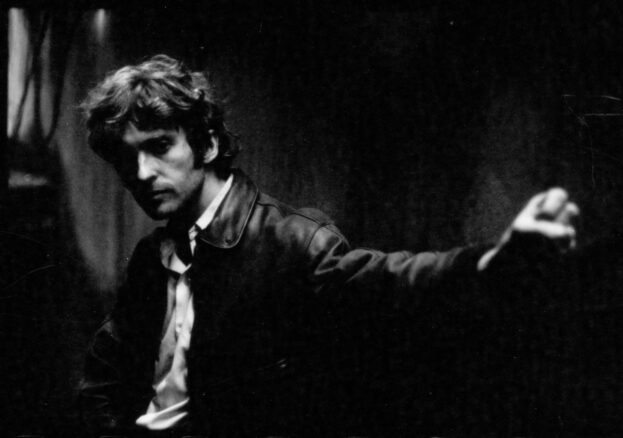
Nobody quite agrees what to call it. To some, it’s just good old alt-country. Others are keener on Countrygaze. It’s actually country-adjacent, according to the purebred genre’s diehards, who’d rather it stayed well off their front porch. In any case, MJ Lenderman remains its most recognisable name, alongside relative veterans Wednesday and Waxahatchee – all bringing country’s eye for character and place into a scrappy kind of indie rock. But it’s the smaller acts doing some of the most interesting work. In the same loose – really loose – constellation as This Is Lorelei, Florry and Lily Seabird, Greg Freeman mines the history of Vermont and upstate New York for character-driven tales of violence, loss and epiphany.
Burnover, his second album, borrows its title from “The Burned-Over District” – a part of upstate New York that became a hotbed of religious revival and utopian communities during the early 19th century. Freeman found his way into that history on long Vermont drives, passing the birthplaces of Joseph Smith, founder of Mormonism, and Ethan Allen, the Revolutionary War figure and Vermont folk hero, and becoming drawn to what he calls “slightly tragic regional figures” who explain the place better than he could himself. The complicated people who live in these songs are all searchers of one kind or another, trying to make sense of a landscape that’s stopped being theirs, if it ever was.
Local myths and half-remembered lives become ways of talking about grief, disappearance and belonging – steadied by Freeman’s knack for imagery, making abstraction suddenly legible: “Light spent your life wrapping all around you / And always finding your form / And now it drifts like some blind-drunk salesmen / Looking for your door to door” (‘Salesman’). Case in point is the nine-minute closer ‘Wolf Pine’, built around a single real Burlington tree old enough to have lived through all of it, and so able to tell the ragged history of Freeman’s adopted home – the native Abenaki people, the volcanic winter that killed the region’s crops in 1816, and the upheavals that followed.
The songs move in loud-quiet surges: scruffy guitar, pedal steel, Wurlitzer, harmonica, horns and Freeman’s plainspoken, cracked vocal delivery, with Burlington regulars – including Lily Seabird, his closest collaborator – filling out the arrangements. But Burnover is stranger than that list of ingredients suggests. A lot of it comes down to his voice. He writes like a regional mythographer, but sings like someone slightly out of his depth inside his own stories: thin, straining, kind of desperate-sounding at times. It makes everything much more interesting.
Freeman last played Manchester at YES Basement, seven months ago; this time it’s the Pink Room – a fair measure of how quickly the audience here is growing. If he follows anything like the same trajectory as Lenderman and co, this could be your last chance to catch him in a room this small.