




















The Hallé – Choral Classics at The Bridgewater Hall
Creative TouristBook now
The Hallé - Choral Classics
Always double check opening hours with the venue before making a special visit.
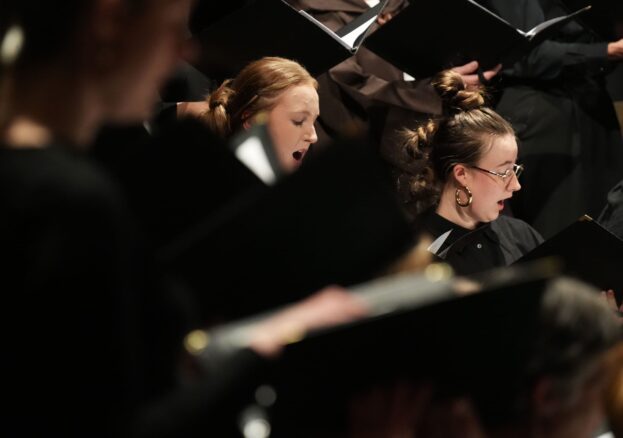
Handel wrote Zadok the Priest for a coronation in 1727, and it’s been played at every one since – including Charles III’s in 2023. Here it arrives the same way it always has: eleven bars of orchestral anticipation, then the choir crashes in at full volume with no warning. It’s the loudest possible opening, and it tells you what kind of evening this is – an all-killer-no-filler run through nearly three centuries of choral standards.
Fauré wrote Cantique de Jean Racine as a nineteen-year-old entering a composition prize, and it’s remained a fixture of the choral repertoire ever since. James MacMillan’s O Radiant Dawn is unaccompanied, built from a medieval Advent text – the one clearly contemporary voice among mostly older certainties, but a recognised one, sung and recorded widely since 2007. Stanford’s The Blue Bird ends on a pianissimo that barely registers as sound. Mozart got eight bars into the Lacrimosa before he died – it’s the last music he wrote, finished from his sketches by his student Süssmayr.
Elsewhere it’s louder again. Orff’s O Fortuna opens with a thunderous ostinato that gives the choir no room to breathe. Verdi’s Aida brings its Triumphal March and ballet music, full ceremony. Grieg’s Peer Gynt holds both extremes inside one work – the stillness of Morning against the mounting frenzy of In the Hall of the Mountain King. Handel’s Hallelujah Chorus and Parry’s I Was Glad, itself written for a coronation, close things out at full force.
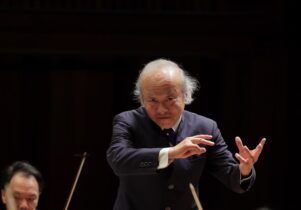
Matthew Hamilton has run the Hallé Choir since 2015, and this kind of range – hushed part-songs sitting next to Orff at full volume – asks a lot of the full forces on stage: orchestra, choir and children’s choir together.