



Wyndham Lewis: Life, Art, War at IWM North
Sara Jaspan, Exhibitions EditorBook now
Wyndham Lewis: Life, Art, War
Always double check opening hours with the venue before making a special visit.
Wyndham Lewis remains one of the most controversial figures in British art. His ideas, opinions and personality inspired, enticed and repelled equally, while his potentially pro-Fascist views of the 1930s will no doubt tarnish his reputation forever. Yet he was also an extremely gifted, radical artist. He co-founded Britain’s only true avant-garde movement, Vorticism, and commanded the respect and admiration of some of the key thinkers of his day. Despite this, much of his sizeable literary output is now out of print and the last major UK presentation of his paintings was held 60 years ago at Tate Britain, just before the artist’s death in 1957.
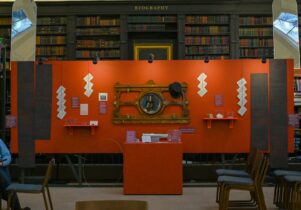
For all these reasons, IMW North‘s new exhibition – Wyndham Lewis: Life, Art, War – has caused quite a stir. Drawing upon collections from around the world, the show presents the country’s largest Wyndham Lewis retrospective to date, and makes a strong case for revisiting this relatively side-lined character. Those already versed in the artist’s unpalatable reputation, leave with a far more nuanced, complicated view of the man. His arrogant public persona is explored alongside the suggestion of a more troubled, anxious inner life; while the sheer extent of his originality is made clear by the range and diversity of works on display. What triumphs above all else is a spirit of defiance; an inherent need to ‘blast’ away orthodoxy and defy convention in whatever form.
A true rebel artist from the outset, Lewis was kicked out of the Slade School of Art in 1901 and enrolled himself in the ‘University of Life’. He spent his late teens and early 20s travelling throughout Europe, living a bohemian lifestyle and soaking up the various elements of Continental Modernism. Returning to London six years later, he was determined to shake-up the city’s rather conservative art scene and formed the Rebel Art Centre – a tearaway group from Roger Fry’s Omega Workshop. Out of this came Vorticism and the movement’s scandalous manifesto; BLAST (1914), boldly denouncing Edwardian Britain and all it stood for.
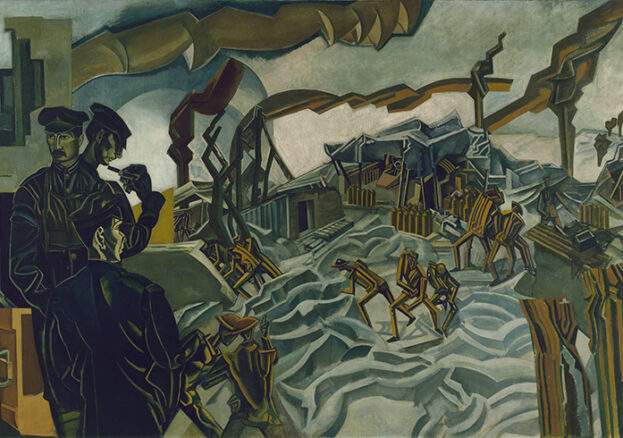
Perhaps surprisingly (given his controversial, antagonistic approach), Lewis was made an Official War Artist when WWI broke out. The show includes A Battery Shelled (1919); the artist’s monumental canvas reflecting on the tragic absurdity of the human condition during conflict; and several smaller, private drawings capturing his time on the frontline. We then move into Lewis’ ‘underground’ period of reflection and reinvention. Original copies of The Apes of God (1930), his satirical novel on London’s literary and artistic circles, appear alongside his highly-controversial book, Hitler (1931), which presented the Nazi leader as “a man of peace” (a view Lewis later firmly revoked after visiting Germany in 1937). During this time, Lewis was also blighted by poverty and ill health, forcing him to seek financial patronage through portraiture. Walter Sickert described him as “the greatest portraitist of this, or any other time,” and several of his most famous depictions, of people including T.S. Eliot, Ezra Pound and Edith Sitwell, feature.
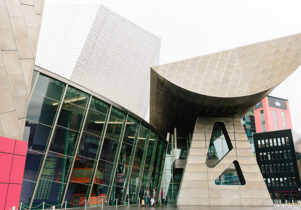
The exhibition comes to a dramatic end, however, with Inferno (1937) – Lewis’ terrifying premonition of the horrors of WWII that were to come. Stood before the towering piece, visitors are firmly reminded that Lewis’ life encompassed the most violent and chaotic period in human history; from the WWI to the nuclear age. The impact this had upon his art is strongly felt throughout the show, and even mirrored in the building that contains it. Designed by the world-renowned architect Daniel Libeskind, the IWM North’s angular, rather Vorticist-like shape is based on an imagined globe broken into shards and fragments by war. Does the exhibition speak to the landscape of today, as we seem to be entering yet another age of global upheaval and conflict? It’s a chilling thought.