




















Tchaikovsky: Eugene Onegin at RNCM
Johnny James, Managing EditorBook now
Tchaikovsky: Eugene Onegin
Always double check opening hours with the venue before making a special visit.
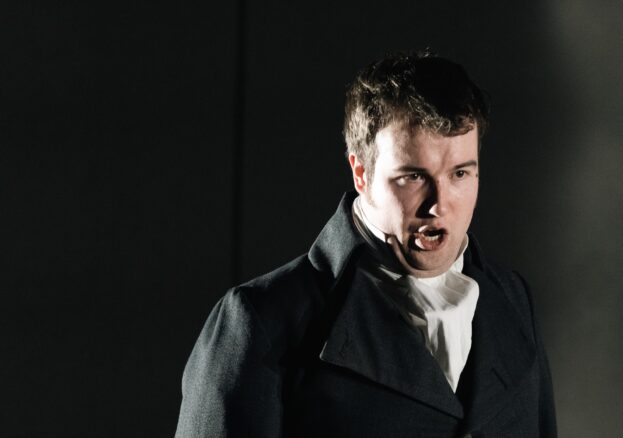
RNCM Opera are back with another classic this winter, performing Tchaikovsky’s best-loved opera, Eugene Onegin, across four shows in the run-up to Christmas.
Based on Alexander Pushkin’s iconic Russian novel, Tchaikovsky’s opera is a story of love, loss, rejection and despair that follows the bored young “superfluous man”, Eugene Onegin, and a young, bookish country girl, Tatyana, who falls in love with him. When Eugene rejects Tatyana’s love she’s left humiliated, made worse when he causes drama at her birthday party, provoking a fatal duel with his best friend, Lensky. Years later, a guilt-ridden Eugene returns to find Tatyana transformed – poised, sophisticated and married to a prince. Finally he falls for her, but is it all too late?
Musically, this is Tchaikovsky at his most direct and empathetic. The centrepiece is the famous Letter Scene, in which Tatyana sits up all night pouring her heart onto the page – a scene Tchaikovsky said he wrote ablaze with inspiration. Later, on the morning of the duel, Lensky sings his farewell aria, wondering whether Olga will shed a tear for him. Then comes the duel itself, where the two friends sing the same melody in canon, neither willing to back down. Incidentally, this duel wouldn’t have raised eyebrows at the time; duelling was a popular, formalised practice, with Pushkin himself involved in nearly 30 duels before eventually dying in one.
Between these big solo scenes come the dances: a waltz and mazurka at Tatyana’s party, and the grand Polonaise that opens the final act, long since a concert favourite in its own right. For all that ballroom glamour, though, Tchaikovsky was surprisingly wary of the big stage. He didn’t like the idea of veteran singers playing “sixteen-year-old girls and beardless youths”, and so instead of giving it to the opera house, he gave it to the Moscow Conservatory, whose students gave the premiere in 1879. Nearly 150 years later, it feels appropriate that the students of the RNCM should take it up here.
Mistimed love, a duel at dawn and Tchaikovsky in full lyrical flow: not your standard Christmas show, but for many, probably all the better for it.