
























Experimental Fiction Film Festival 2026 at Cultplex
Johnny James, Managing EditorBook now
Experimental Fiction Film Festival 2026
Always double check opening hours with the venue before making a special visit.

Much experimental film abandons fiction; much fiction film abandons experiment. The first often tends towards the abstract; the second towards the familiar comforts of mainstream storytelling. INEFF – the International Network of Experimental Fiction Filmmaking – has spent several years making the case that the space between them is exactly where cinema gets interesting.
The organisation’s annual conference unfolds across two days at the University of Salford this year, bringing together filmmakers, scholars and industry figures to examine the creative and theoretical possibilities of experimental fiction. The festival is the practical counterpart: a single day of international cinema at Cultplex, split across three screening blocks from midday to late evening, closing with competition films and an audience vote.
The programme draws together work from across three continents – with filmmakers from Finland, Colombia, Iran, Belgium, Mexico, the UK and beyond – ranging from under a minute in duration to a 90-minute feature. Methods are as various as origins: hand-processed 16mm, AI collaboration, found footage, stop-motion animation. So are the subjects: climate grief, internet censorship, myth, memory, the body under pressure.

The blocks don’t sort by theme or style, though the longer pieces tend to come later in the day – among them Rolf Henrik Dogs Belgum’s feature-length Woolve, in which a filmmaker’s transformation into a wolf becomes an uncanny response to environmental destruction and deforestation.

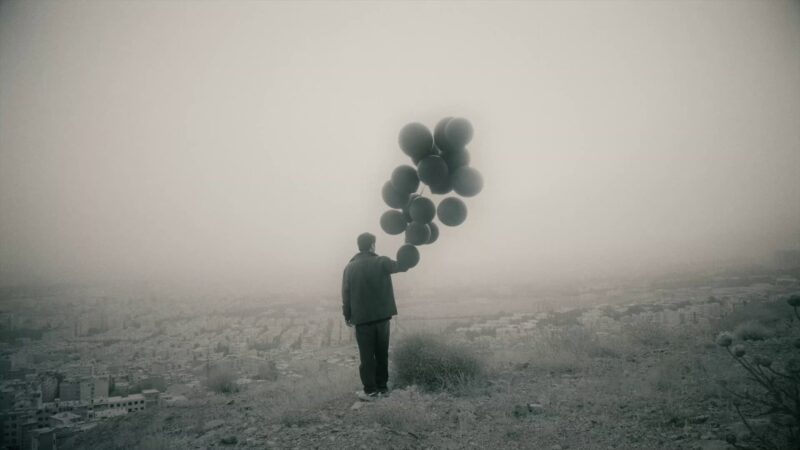
Sepehr Rezaei’s Metropolis v1.1 turns Iran’s internet blackout into a fantasy about a lone figure navigating a world plunged into online darkness, searching for a way back to connection. Anna Antsalo and Jenni-Elina von Bagh’s Everything Is Right Before follows an actor trapped in endless preparation as the moment of performance refuses to begin.

Gabriela Tropia’s Organising Principles of Experience collaborates with an AI trained on Maya Deren’s writings to imagine new forms of cinematic memory and possession. Adrian Flury’s Panic in Nowhere pulls viewers into a disorientating spiral of distraction and eclipse. And in Mechanical Siren, a displaced mermaid forced onto land drifts through fractured memories of beauty, violence, and survival.
There are 32 films in all. Whether you go for a single block or take a Pokémon-style gotta-catch-’em-all approach, expect, by any measure, a delightfully strange day at the cinema.