


















To See and Be Seen at HOME
Johnny James, Managing EditorBook now
To See and Be Seen
Always double check opening hours with the venue before making a special visit.
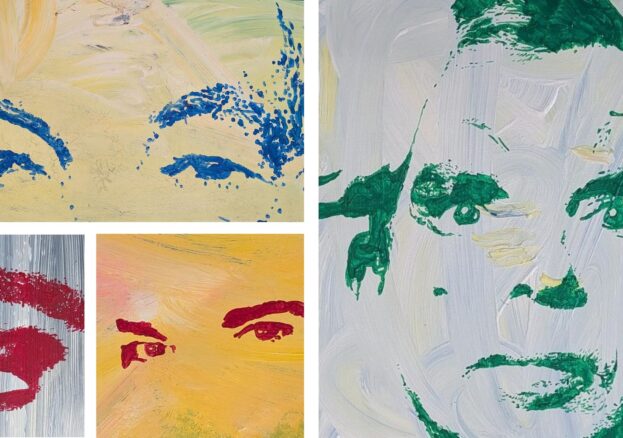
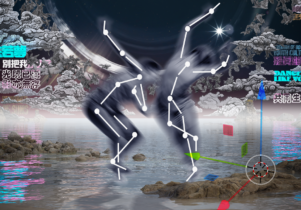
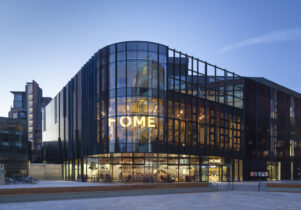
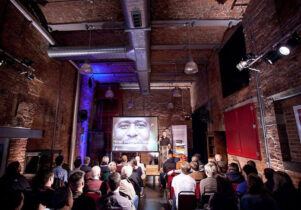
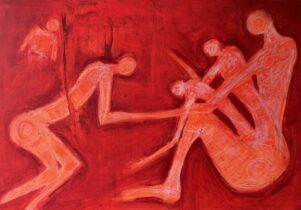
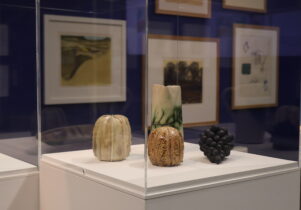
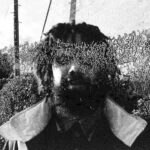
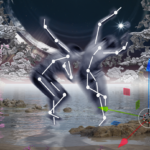
A major new exhibition by Manchester-based artist Conor Collins is on display at HOME, responding to the newly created Queer Up North archive.
Queer Up North was a Manchester LGBTQ+ arts festival that ran, on and off, from 1992 to the early 2010s – founded by two Green Room theatre staff, Tanja Farman and Gavin Barlow. It platformed cabaret, club nights, fine art and performance that didn’t have a place elsewhere, and played a pivotal role in shaping Manchester’s identity as an inclusive LGBTQ+ city.
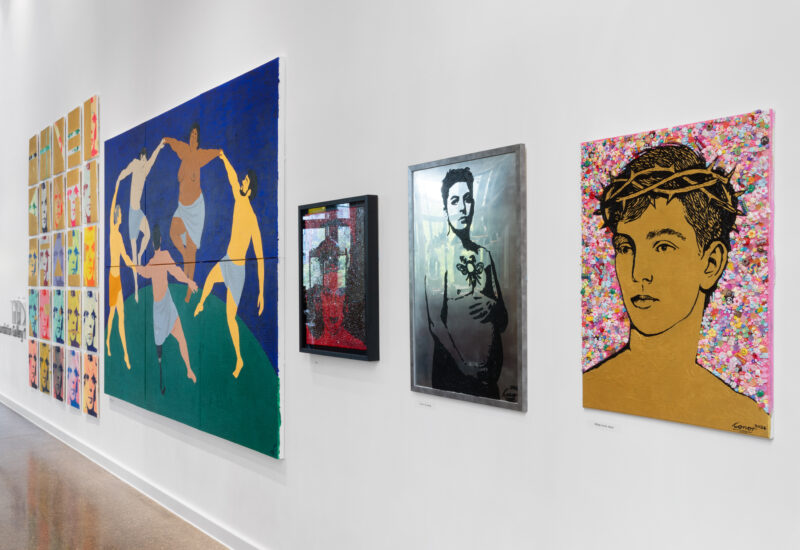
Two years of archival work – collecting posters, flyers, photographs and programmes from the festival’s run, alongside newly recorded oral histories – has now been gathered into a free digital archive celebrating one of the most influential LGBTQ+ arts festivals in the UK and Europe. Given early access to the archive ahead of its launch under Manchester Histories this October, artist Conor Collins was commissioned by HOME to respond to its treasure trove of records.
Coming to the project with a long history of work that explores identity, representation and contemporary socio-political issues, Collins is a self-taught, queer Manchester-based visual artist whose shown work in group exhibitions nationally and internationally – but this is his first solo exhibition.
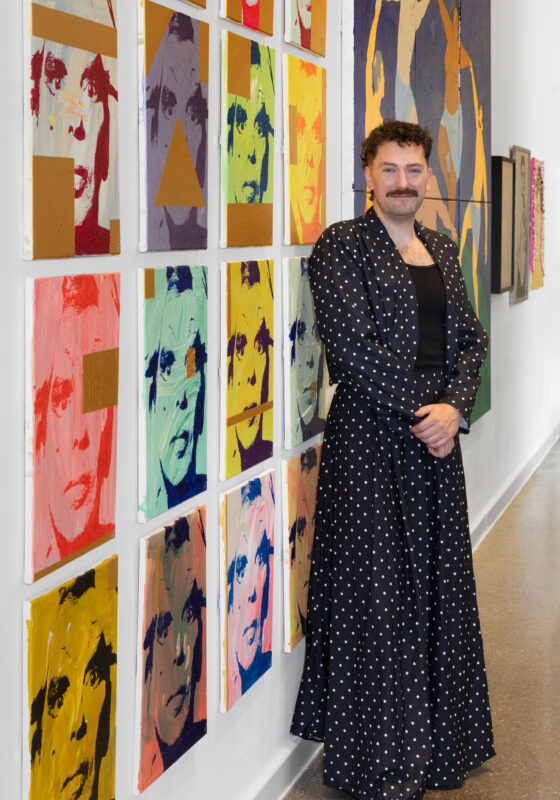
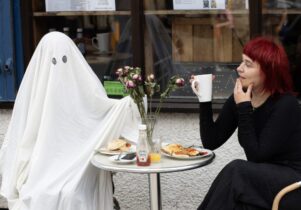
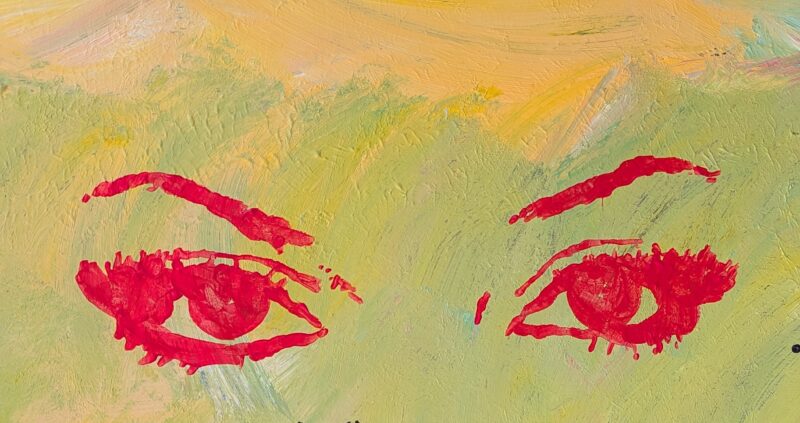
It reflects on what it means to be seen – by society, by our communities, and by future generations. In a personal and often moving response to the archive, Collins delves into the stories and personal histories of those captured within it. Themes of identity, visibility and remembrance emerge, as well as a wider celebration of the creativity, bravery and joy that have shaped Manchester’s LGBTQ+ communities.
Speaking about the exhibition, Collins said:
“The archive is full of extraordinary stories from people who refused to live quietly. What struck me most was the courage, creativity and visibility of those involved in Queer Up North, often during times when simply being yourself could come with significant risks. Alongside celebration, there are stories of loss, discrimination and struggle. But what remains throughout is an overwhelming sense of humanity, resilience and joy. I hope the exhibition encourages people to think about what it really means to see somebody – not as a category or a label, but as a person whose story matters.”