



















Sunn O))) at Project House
Johnny James, Managing EditorBook now
Sunn O)))
Always double check opening hours with the venue before making a special visit.
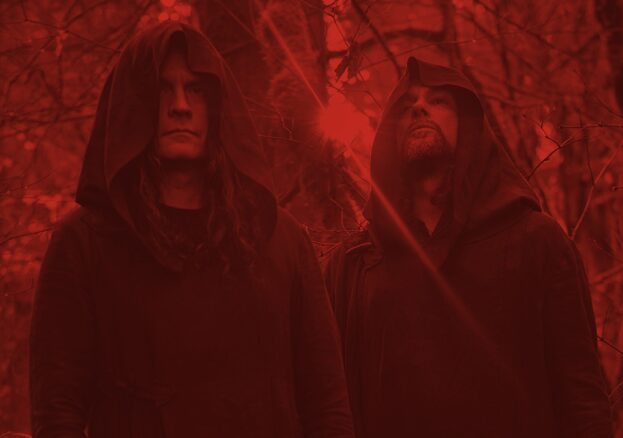
Hey, do you want to go watch a gig tonight? It’s these two guys who dress up in monk robes and play one chord really, really loudly for two hours.
SUNN O))) are an interesting proposition. They push doom metal until most of metal’s usual signifiers disappear: no galloping riffs, no choruses. What’s left is weight. Pure mass. Heavy music reduced to the idea of heaviness itself.
There’s also a strange beauty in it. The long drones reveal overtones, beating frequencies, tiny shifts in texture. It’s almost closer to staring at a Rothko painting than listening to a conventional metal record. No coincidence: Rothko’s work is on the sleeve of the new self-titled album – their tenth and most elemental.
It’s the first record Stephen O’Malley and Greg Anderson have made with nobody else on it. No guest vocalists, no black metal collaborators, no extended roster of avant-garde accomplices – just the two of them and their amplifiers, recorded in a converted barn in Washington state with the Pacific Northwest visible through studio windows.
Its tracks are shaped by that environment surrounding the sessions. They incorporate field recordings of running water and a nearby stump grinder surface beneath the drones; piano interludes arrive with the hush of something heard through trees. Robert Macfarlane – whose writing on landscape and deep nature (most recently Is A River Alive?) has become one of the more unlikely touchstones of contemporary culture – contributed liner notes, and his presence signals something about what the record is at heart: a visceral, droning response to the infinite, groaning wonders of nature.
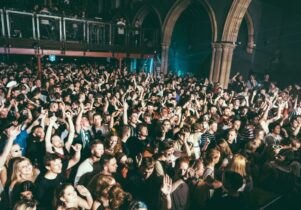
Live, two hooded figures barely move in front of a wall of amps, the stage thick with fog, the volume at a level you feel in your nether regions. Think more ceremony than concert – hence the robes, which the band have at once called silly and very useful. They give the audience a kind of visual story that matches what they hear, the performers a way into the right headspace, and – Anderson has noted this with some satisfaction – they mean you can finish a set, take the robe off and go and get a drink at the bar without anyone recognising you.