
















What’s next for Factory International?
Johnny James, Managing Editor
Visit now
What’s next for Factory International?
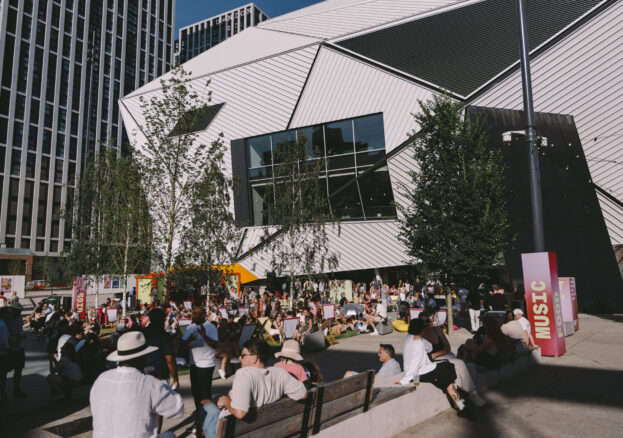
20 years on from the first Manchester International Festival, Factory International has unveiled its full artistic programme for 2027, bringing together nine UK and world premieres that flex the boundaries of theatre, dance, music and visual art. At the launch event on 13 October, we got a first look at what’s in store and spoke with Artistic Director John McGrath about the organisation’s next chapter.
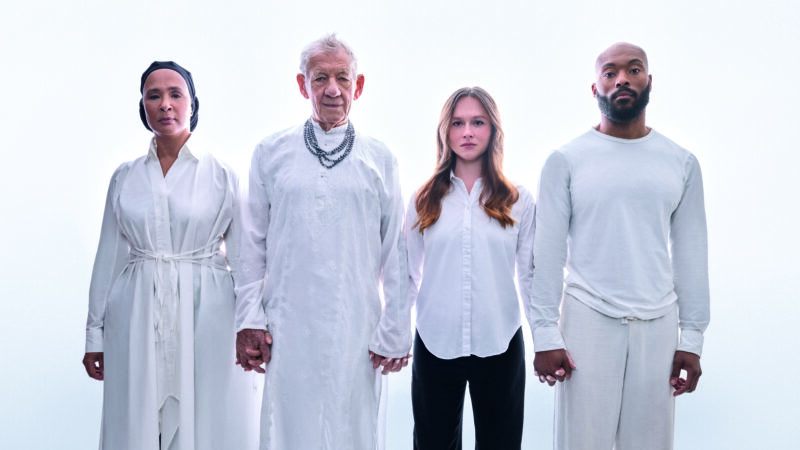
Among the biggest announcements is AN ARK, billed as the world’s first mixed-reality play starring Sir Ian McKellen alongside Golda Rosheuvel, Arinzé Kene and Rosie Sheehy. The production uses Mixed Reality glasses to create a new kind of connection between actor and audience, with performers appearing to address you directly. Speaking to McGrath about the future of these technologies in theatre, he told us “These mixed realities will become part of the tools of theatre,” but that their potential goes beyond novelty: “What can technology be, and what is the humanity of technology? Not just the whizzy tricks of it, but the ways in which it helps us explore our own humanity.”
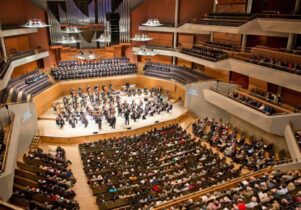
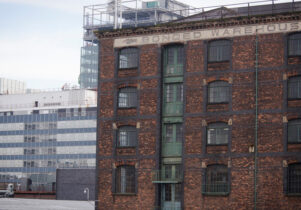
June brings another world premiere: a “once-in-a-lifetime” experiential staging of Philip Glass and Robert Wilson’s iconic 1976 opera Einstein on the Beach, filling the vast Warehouse at Aviva Studios. This promises a collision of artforms – music and theatre, live art and light, sculpture and movement – within a 360-degree world that makes active participants of the audience. Featuring a huge cast of singers, musicians and performers, alongside the BBC Philharmonic Orchestra and English National Opera, the production reimagines one of the most influential operas of all time in Philip Glass’s 90th year.
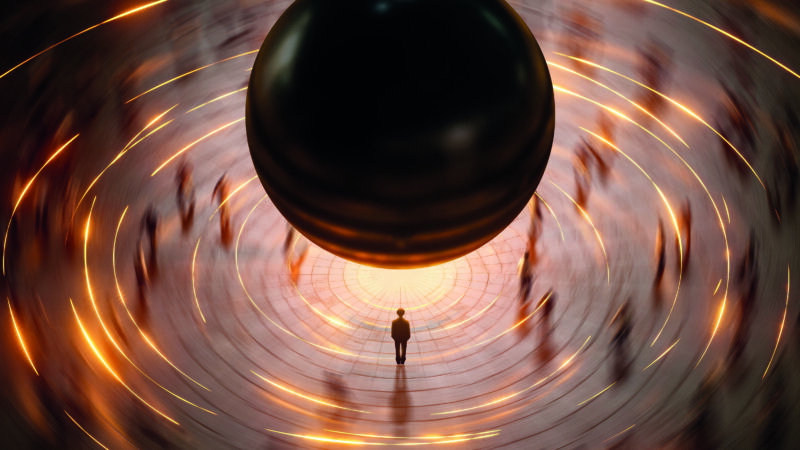
But what about people who think opera isn’t for them? McGrath points out that Glass didn’t originally consider Einstein on the Beach an opera at all. Despite its influence on the genre, “I think it doesn’t actually fit anybody’s clichés of what an opera is,” he says. Instead, he describes it as “more like an immersive kind of, dare I say, chill-out experience.” Indeed, audiences aren’t expected to sit rigidly through the performance. “You get people who have a bit of a doze in the middle of it, and that’s fine,” McGrath explains, recalling the creators’ interest in how the work might interact with people’s dreams.
There’s a strong local thread running through the programme, too. Bolton-born artist Hetain Patel brings Come As You Really Are to the Warehouse in February, transforming it into a free exhibition celebrating the creativity of more than 250 Greater Manchester hobbyists, aged five to 90. Meanwhile Manchester-based writer Chris Thorpe and British-Iranian artist Javaad Alipoor bring the world premiere of Cinema Tehran to their home turf. Blending documentary, live performance and visual illusion, the show takes inspiration from the extraordinary mass sightings of Ayatollah Khomeini’s face appearing in the moon during the Iranian Revolution.
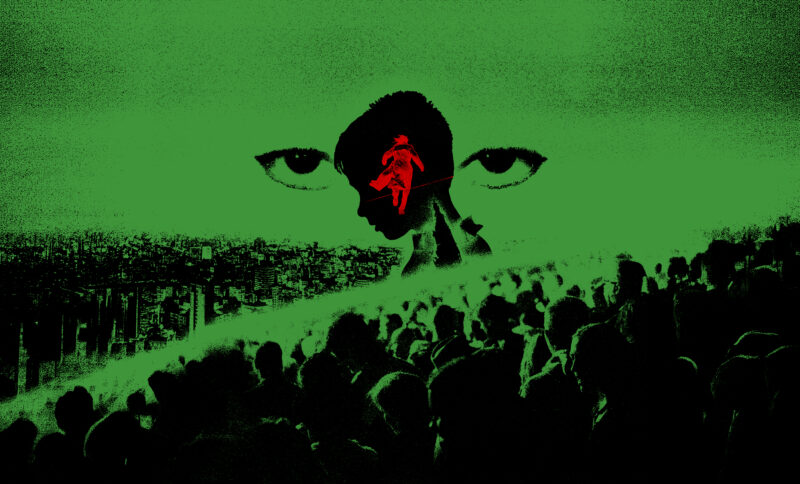
Asked which of the less obvious productions could prove a surprise hit, McGrath doesn’t hesitate: “I’d keep an eye on Cinema Tehran, actually.” Its starting point might be the Iranian Revolution of 1978, but he argues that the events of that period continue to shape the world today, “from our oil prices to world peace”. Exploring collective belief and the stories we tell one another, it’s a production he believes has “something really important to say”. And with current events lending it fresh urgency, “it’s a piece that just feels ever more relevant.”
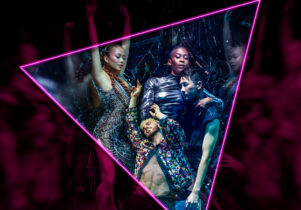
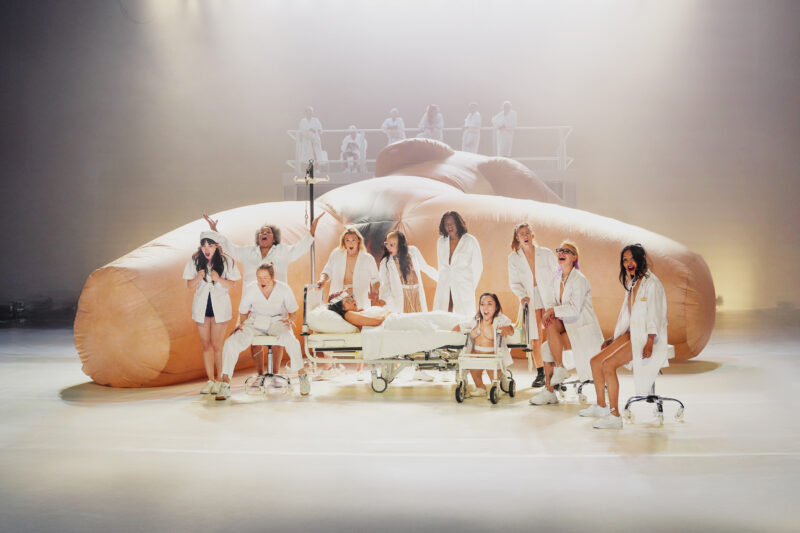
Elsewhere, acclaimed Austrian performance artist Florentina Holzinger brings A Year Without Summer to Manchester in October. Inspired by the volcanic eruption of 1816, when Mary Shelley conceived Frankenstein, the production combines dance, acrobatics and extreme body horror in an exploration of ageing and mortality. Featuring 24 women and non-binary performers aged from their 20s to their 80s, it’s earned critical acclaim and controversy in equal measure. McGrath calls Holzinger “absolutely one of the most important artists working today”, while warning audiences to expect something “on the edge”.
Other highlights include Rambert’s dance adaptation of Russell T Davies’ It’s a Sin, Gregory Maqoma’s Genesis: The Beginning and End of Time and Palestinian director Bashar Murkus’s wordless physical theatre piece DEADLIFT. Music fans have plenty to look forward to, too, with Bonobo, Ezra Collective, Snarky Puppy and Tindersticks among the headline acts, alongside the world premiere of Nubya Garcia’s first cello concerto.
And there’s more to come. Manchester International Festival returns from 1-18 July 2027, celebrating 20 years since its inaugural edition. But don’t expect misty-eyed nostalgia to lead the programme (launching in March), as can be the temptation with these kinds of anniversaries. “We’re not expecting the festival to reflect back, or to be a greatest hits, or to pull back artists from previous years,” McGrath tells us. Instead, the emphasis remains firmly on commissioning new work: “We’re asking it to do what it’s always done, which is look to the future.”