














What Is Precious? at Waterside
Creative TouristVisit now
What Is Precious
Always double check opening hours with the venue before making a special visit.
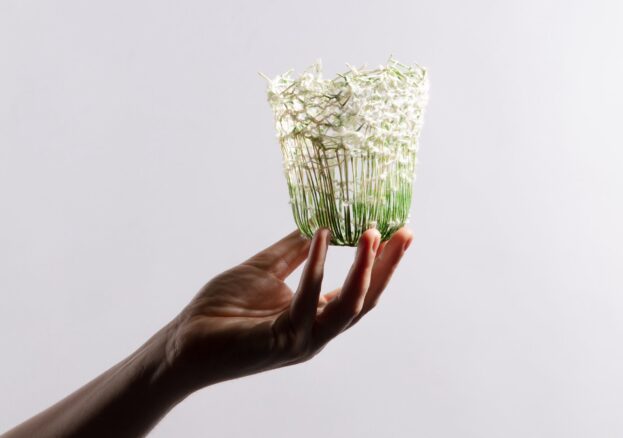
Every time What Is Precious? has toured, more makers have wanted in on the argument. It began in 2024 as an eight-maker showcase at the Great Northern Contemporary Craft Fair, built from an idea developed inside Design-Nation’s Sustainability and Ethical Practice group. By its tour to Farnham last year, that showcase had grown to 19 makers. At Waterside’s Lauriston Gallery this summer, it arrives with 21. In a way, this growth is the point; it’s an idea whose relevance seems destined to grow exponentially.
The idea, here, is sharper than recycling and repurposing suggest (tick the sustainability box, admire the ingenuity, move on). More than that, the exhibition investigates preciousness as a fluid thing, rather than something sitting inside a material or object, waiting to be noticed. It’s a judgement that can be made and remade, despite what our throwaway culture tells us. What’s on show is the refusal to accept that an object’s value necessarily ended the moment somebody threw it out.
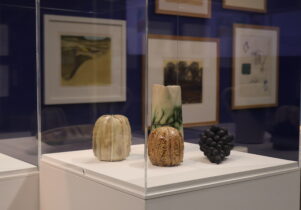
Those deeper ideas might be why the exhibition keeps finding new people willing to test them against their own materials and practice. Kate Kato’s practice feels ready made for this. Her paper insects are precise enough to pass for real specimens at a glance, until you notice a scrap of an old map still legible on a wing, or a moth body cut from a worn pillowcase. Jane Bevan works from the opposite end of the throwaway spectrum: bark, thorns, seed cases and acorn cups gathered on daily walks through ancient woodland, hand-stitched and tied into small, quiet sculptures.
Those are only two examples but there are plenty more artists – 19 to be exact – asking the same question in different ways, through various practices: Who decided this was waste, and on what authority?
Waterside, hosting this edition through Creative Industries Trafford’s continuing backing of the tour, gives that question a different audience than the craft fair stalls and specialist galleries it has passed through so far – free, walk-in, inside a busy public arts centre rather than a ticketed or specialist space. It’s the right place for it; ideas like this shouldn’t be cordoned off in artsy corners; they should be confronting everyone.