
















The Hallé Presents: 606 Years of Reverb at Manchester Cathedral
Johnny James, Managing Editor
Book now
The Hallé Presents: 606 Years of Reverb
Always double check opening hours with the venue before making a special visit.
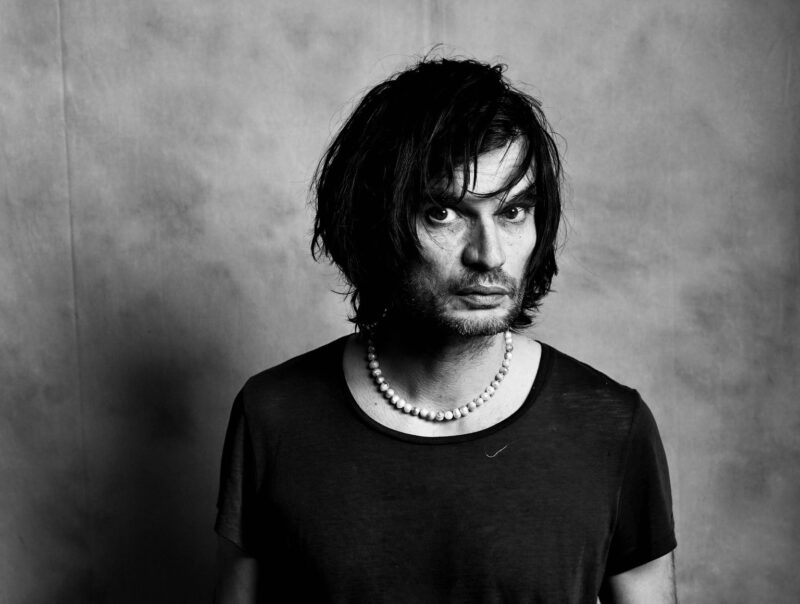
Updated: Jonny Greenwood answers Creative Tourist’s questions on the Manchester performance of this piece. Read the Q&A at the bottom of this page.
Manchester Cathedral was founded in 1421, and Jonny Greenwood’s 606 Years of Reverb takes its title from that fact. It’s an eight-hour, drone-based organ piece whose name changes depending on the age of the building in which it’s performed. The idea behind it is simple: a building’s walls hold onto everything they’ve ever heard. Greenwood has described the experience of hearing a church organ, specifically, as “a kind of time travel” – air moving through pipes and bouncing off ancient walls, still carrying whatever the room has heard before.
The piece grew out of Greenwood’s fascination with medieval Italian church organs, discovered while involved in charity work to rebuild earthquake-damaged churches near his home in Le Marche. It was a kid-in-a-sweet-shop moment for a musician long known for his curiosity with lesser-spotted instruments (think his ondes Martenot in Radiohead, or, more recently, the Indian tanpura in his own piece Water). Some of the organs he found had double black keys; some produced percussive sounds; one even had a water tank that let the organist mimic birdsong.
That fascination sits alongside another, more recent one: Indian Carnatic music, where melodies unfold gradually and circularly, each new note a little revelation. Greenwood has built 606 Years of Reverb in a similar way. But a stranger influence also shapes the piece: the tone sweeps used to test a venue’s PA system, sending every frequency through the room to see how it responds. Greenwood has said the room afterwards feels re-energised, its history shaken loose. 606 Years of Reverb aims for the same effect, only over eight hours rather than a few seconds.
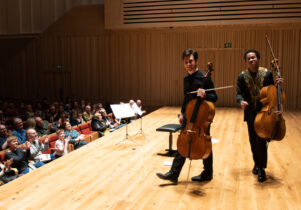
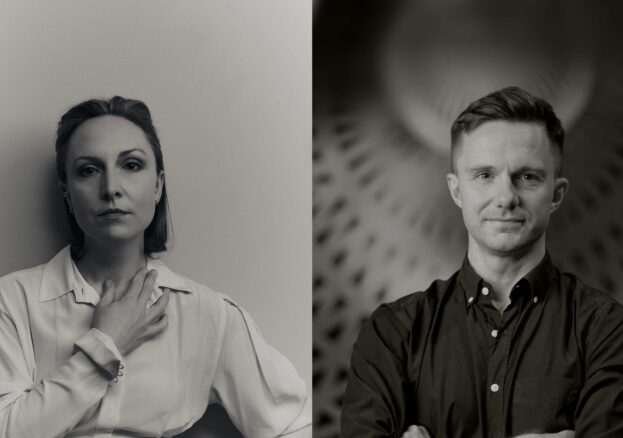
Performed by organists James McVinnie and Eliza McCarthy in shifts, the piece will be played without pause as daylight moves through the cathedral’s stained glass and fades into evening. There’s no interval or fixed seats. You can stay for the full time if you like, or timed slots of an hour and 50 minutes are available across the day, starting at 11am, 1pm, 3pm or 5pm. You may, in fact, do well to leave something in the tank, because later the same evening, Greenwood’s music fills The Bridgewater Hall, in a very different register: his score for There Will Be Blood, played live to Paul Thomas Anderson’s film.
While ambitious organ programming isn’t new for the Hallé (see Anna Lapwood’s stint as Featured Artist last year), there’s been no programming quite like this.
Jonny Greenwood on 606 Years of Reverb
Why eight hours? What were you looking for in the duration that a shorter piece couldn’t give you?
When you hold down clusters of notes on an organ, the complexity of the overtones generates all these new melodies. These are very different for every chord, and also for every organ, every room, and every position in that room. That kind of complexity feels worth more than 10 minutes. Not that many (any?) people stay for all 8 hours, though it’s probably healthy for us all to spend time wondering if we really have got somewhere better to be or something better to do. Maybe stay as long as your daily average phone screen time is (and I’m sure mine is as alarmingly high as anyone else’s).
If someone knows your film scores, your concert hall music, or your work with Radiohead, what in this piece might they recognise as you?
Not much? Perhaps it’s that with Radiohead we will use every instrument we can with enthusiasm: glockenspiels, sleigh bells – anything. Pipe organs are really glorious things, that recordings never reproduce properly.
You’ve said the piece is about shaking loose the sounds soaked into a building’s walls. What are you hoping Manchester Cathedral and its 600 years of history will do to the piece?
I spent a lot of time in churches in Italy playing and writing this: the more time I was there, the more I felt the history of the room. All those centuries of people gathering to celebrate or mourn, worship or console. People often describe themselves as ‘spiritual, but not religious’. Perhaps I’m the opposite. Communal gatherings, like a concert, are more moving to me than solitary spiritual thought. Of all the books in Church, it’s the parish records that fascinate me most. All those births, marriages and deaths, those lives lived, and all the music and voices in that space over the centuries.
On the day, the audience add their own sounds to the building’s memories – footsteps, coughs, people coming and going. Do you think of them as part of the piece?
In my imagination, it was always meant to be (eventually) too loud and colourful to hear much else. But hearing those colours change as you move through the church is absolutely part of the music, as is being with other people.
Could the piece ever be released, and what might that look like? Or does it only really exist on the day?
Only if it was released as either an organ, or perhaps a large speaker that only plays the music in full from start to finish. I don’t think it’d be welcome clogging up Spotify servers, and anyway having the music only ever live is the point really. The space the organ is in, and its history, is as important as the music from the organ.