













Q&A: Florence Peake on grief, joy and Manchester’s queer community
Johnny James, Managing EditorBook now
Florence Peake: Vitalities
Always double check opening hours with the venue before making a special visit.
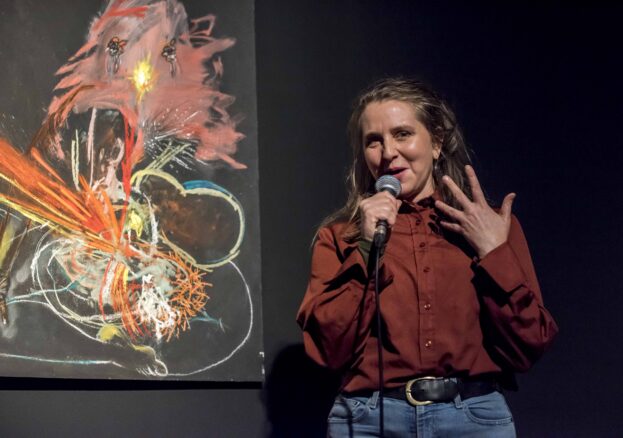
Ahead of Vitalities at HOME, we speak with Florence Peake about queer grief, casting plaster totems with members of Manchester’s LGBTQIA+ community, and why loss can be a source of life. If you’d like the full context first, read our preview of the exhibition.
A show about grief might sound sombre, but you’ve called it Vitalities. Where does vitality come in?
I wanted to think of grief as a force, a vital force, rather than how it is normally prescribed or viewed. Loss and death are all part of life and living. I was thinking of how, in western culture and society, we are deprived of meaningful rituals and engagement with loss, and are often quite repressed in mainstream culture. When connected in ceremonial and communal ways, grief can become a tremendous source of creativity and life. I think of it as a beautifully wild, untamed spirit that, given respect, can feed our lives and change us profoundly.
You’ve said you’re interested in exploring queer grief. How did that shape the work you made in Manchester?
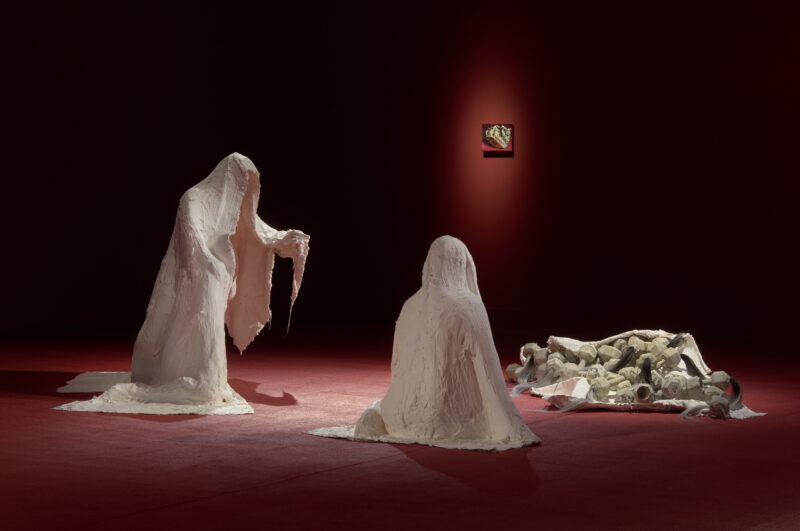
I am interested in the huge spectrum of what grief can be, from loss of loved ones to loss of home and land, loss of access through illness and disability, to ageing. For this iteration, with this exhibition here in Manchester, I wanted to connect with the incredible queer community here. I wanted to understand: what is queer grief? How do we pay respect to and honour our histories of violence in relation to the AIDS crisis and our queer ancestors, and how does that connect to current-day exclusions?
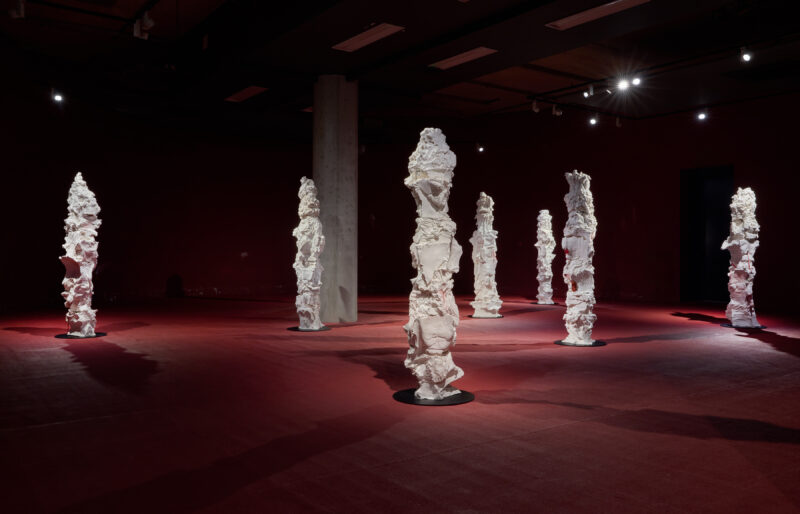
With a group of six queer-identifying people, we made four six-foot-high totems cast in plaster from our bodies, with letters to those loved ones. Sharing a commune of grief, this became a space of vitalities – a vital space. Paradoxically, it became one of the most joyful and vibrant experiences I have had in recent years.
Where does a project like Vitalities begin, and how do you decide which mediums it needs?
Vitalities is the culminating part of a larger project spanning three years, titled Your Meaning Not Your Materiality. It looks at the double act between material reality and the energetic presence when losing something: what material forms are left behind, and the ghosts of those objects. Through personal experiences of loss and grief, I found it hard to find spaces for ritual and communing around bereavement and loss.
I wanted to understand it through an artistic and creative lens, and to understand loss as a space with the potential for vitality. I wanted to engage with the choreography of casting methods, as it seemed to speak to ideas around lost space – empty space, and the negative and positive techniques used when casting. I have mainly worked with plaster, concrete and metal (bronze and pewter) to fill caverns and empty spaces, using bodies as the containers and moulds, and filling the spaces created between them.
Which parts of the show come out of collaboration, and which did you make alone?
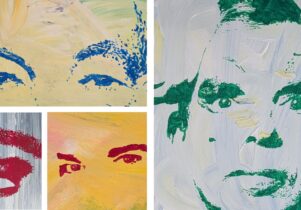
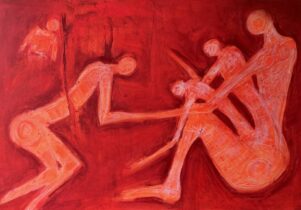
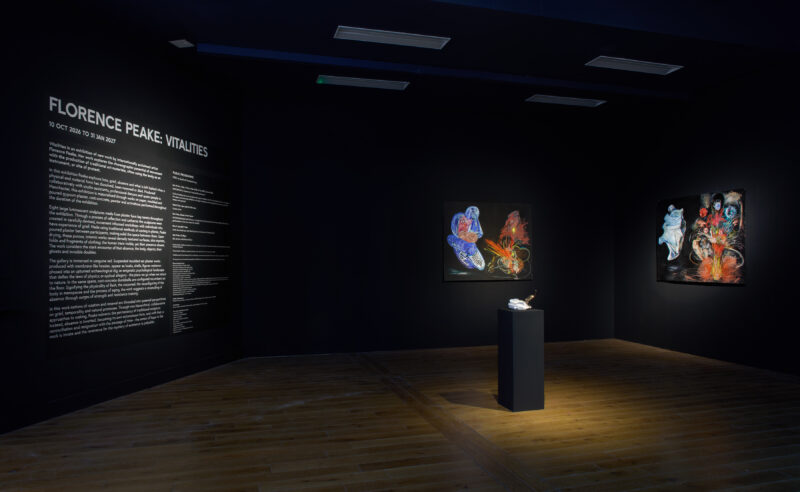
The casting works with plaster have mainly been developed through collaborations with performers and communities in London, Arbroath and here in Manchester. The more wall-based work – oil paintings, chalk drawings and scratch drawings – has been more of a practice in solitude.
Dancers activate the show throughout its run. What happens in an activation?
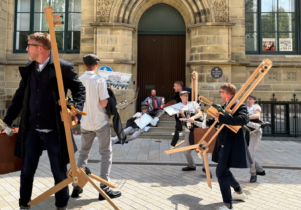
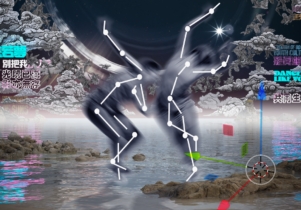
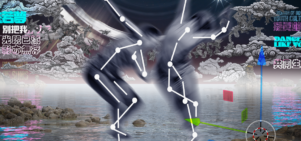
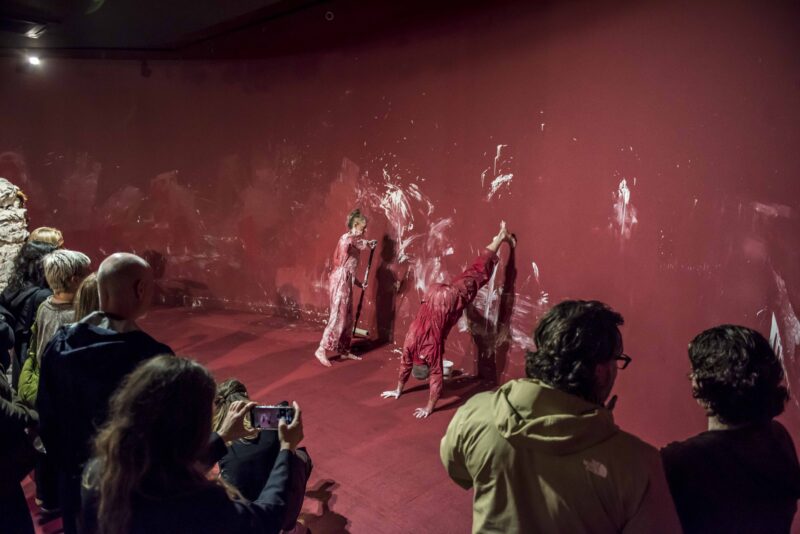
I prefer the term performances, as they will operate as an intervention, continuing to add paint and change the environment over the span of the exhibition. The performers use the whole 50-metre wall that curves around the gallery as a site to reference protest and resistance: the loss of our voices in relation to political systems of oppression, and the vitality of protest and the desire for freedom in relation to current far-right movements and systems of control.
This is your first solo show in the North West, and the project has already travelled from London to Scotland. What did working with people in and around Manchester bring that was different?
I have felt welcomed and felt the warmth of exploring ideas together. An incredible openness and humanity. I also worked with a group of women in Gorton and had the best time.
If a visitor could only spend time with one work in the exhibition, which would you point them to, and why?
Here in Manchester, I think the totems in the back space of HOME’s gallery, as they connect so much to the people here.
Florence Peake: Vitalities is at HOME until 31 January 2027. Get your free ticket via the ‘Book now’ button.