


Before We Were Proud at Waterside
Johnny James, Managing EditorVisit now
Before We Were Proud
Always double check opening hours with the venue before making a special visit.
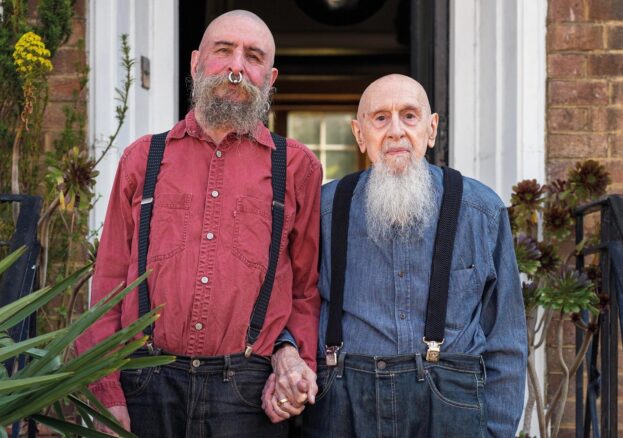
Many people who lived through the criminalisation of homosexuality in Britain are still here – and they won’t be indefinitely. This is partly what powers Steve Reeves’ ongoing portrait project Before We Were Proud, now on display at Waterside.
Reeves came to photography in 2018, after years working as a writer and film director. The practice he’s built since sees him turn his camera on communities whose firsthand testimony sits at risk of being replaced by secondary account. His portraits and interviews of the Windrush generation have appeared in The Guardian and Creative Review; his work with the last surviving D-Day veterans was exhibited in Normandy and opened by King Charles in 2024. His portrait work has twice been recognised by the Taylor Wessing Portrait Prize. Before We Were Proud follows the same logic.
The exhibition draws on portraits and interviews with older members of the LGBTQ+ community who lived under the laws that made homosexuality in England and Wales a criminal offence until 1967. Their experiences span physical and verbal abuse, the ever-present risk of arrest and imprisonment, and the particular isolation of a life lived without legal recognition, visible community, or any public culture to reflect it back. Reeves photographs each subject in their own environment – kitchens, living rooms, a riverside – in available light, and places the portrait alongside an interview in which each subject describes, in their own words, what it was like to live that life.
Before We Were Proud launched within Pride in Trafford’s wider programme of theatre, cabaret, club nights and a block party, and remains on display at Waterside now the festival has ended. The contrast was, and is, the point. Its subjects remember when none of this was possible; when a gathering like Pride carried the risk of arrest. Pride started as a protest. They lived through what that protest was against.