
























The Assassination of Margaret Thatcher at Liverpool Everyman
Johnny James, Managing EditorBook now
The Assassination of Margaret Thatcher
Always double check opening hours with the venue before making a special visit.
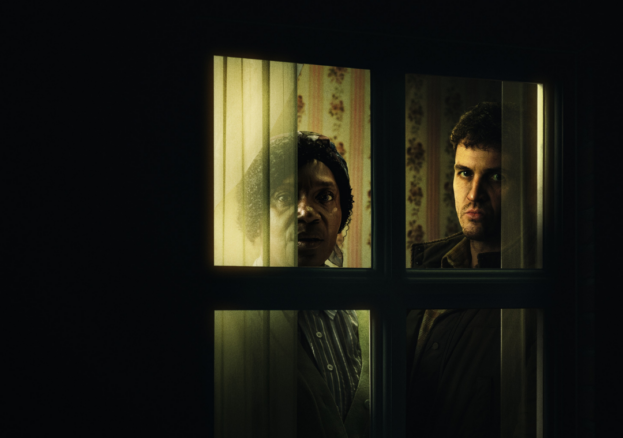
It’s 1983. Margaret Thatcher is in hospital for routine eye surgery. As the public wait for her to emerge from the building, a flat nearby has the perfect view. Inside, a man with a gun is deciding whether to change history.
That premise comes from Hilary Mantel’s audacious short story The Assassination of Margaret Thatcher, published in 2014 and adapted here for the first time by Alexandra Wood. What makes it potent theatrical material is not just the threat of violence, but what that threat sets in motion. Two strangers, enclosed in a small Windsor flat, are forced into a tense, darkly funny encounter. Caroline (played by Anita Reynolds) lives there. Brendan (played by Robbie O’Neill) has barged in with the gun. What unfolds is a psychological thriller, as two people who’d never usually meet find their very different ideas about Britain colliding.
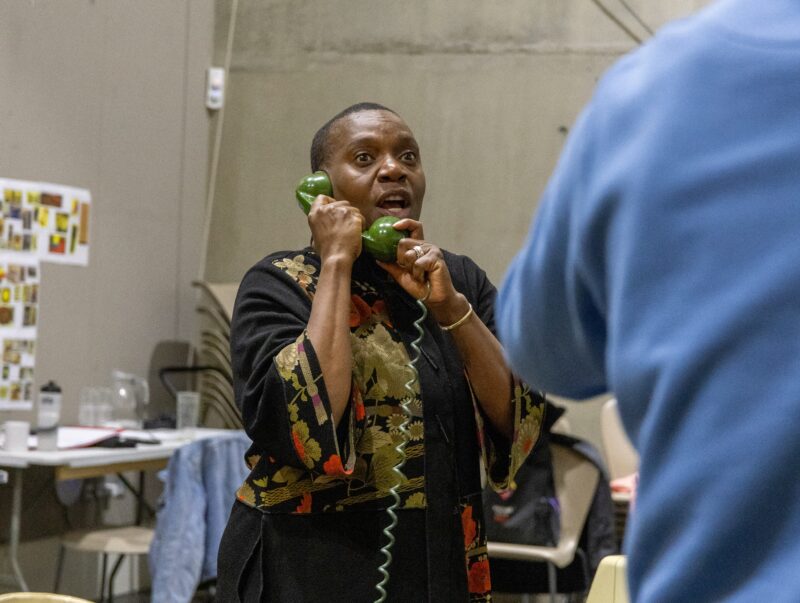
There are big questions about Thatcher’s long shadow over the country, but as director John Young has said, it’s not simply a show for those with strong feelings about her. More broadly, it’s about class, power, and people who feel they no longer have a voice. More pointedly, it asks what happens next – what fills the vacuum when political anger has nowhere to go. Mantel’s original story was provocative enough in 2014. In 2026, with political violence increasing across a divided Britain, those questions carry a lot of weight.
Liverpool is a potent place in which to ask these questions. Brendan is Liverpudlian, and this world premiere has been created specifically for this city, where Thatcher is not a distant historical figure, but a name still bound up with anger, division and the long afterlife of decisions that shaped the city in the 1980s. Set just two years after the Toxteth riots, the play arrives with that history still rippling outwards, making the distance between Windsor and Liverpool feel political as much as geographical.
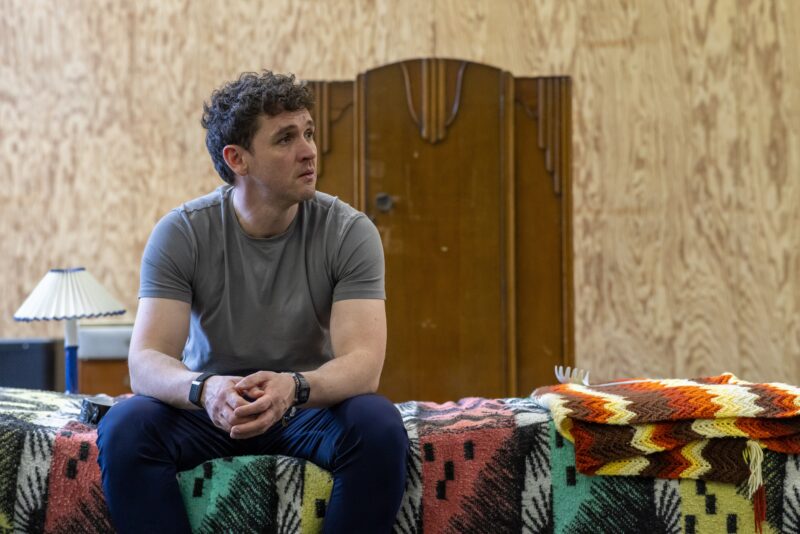
The venue itself is a big draw for the director, who’s spoken about the Everyman’s ability to hold both intimacy and massiveness at once. That makes sense when you consider the dynamics of the show: enormous opposing ideas, forced to play out in a single room, between two people. Add in Mantel’s dark wit and the edge-of-your-seat mechanics of a real-time thriller, and it’s got all the makings of a very powerful show.
Alongside the production, the Everyman’s Step Inside programme offers a way to dig further into its themes, with free discussions exploring both the political context of 1980s Liverpool and the darkly playful world of Hilary Mantel’s writing, plus a post-show conversation with the cast and creative team.