














manchester jazz festival Takeover at Aviva Studios
Creative TouristVisit now
manchester jazz festival Takeover
Always double check opening hours with the venue before making a special visit.
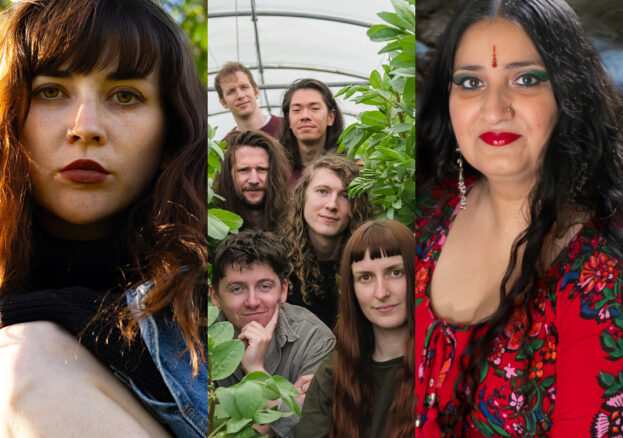
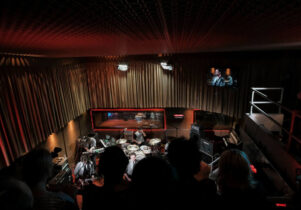
Manchester Jazz Festival doesn’t close with a bang so much as a considered statement. The final afternoon of mjf 2026 takes over the Social at Aviva Studios – free to enter, no booking required – for a triple bill built around women and women-led songwriting, running alongside the Women in Jazz Photography exhibition.
Dilettante opens. The project of Leeds-based multi-instrumentalist Francesca Pidgeon – who moonlights in BC Camplight – makes the kind of art-pop that keeps finding new audiences without quite going mainstream, which is probably the point. Life of the Party, her first self-produced record, was made in a converted freight container and covers neurodivergency, societal alienation and the exhaustion of social performance with a sarcasm dry enough to snap. Mojo gave it four stars; Iggy Pop played it on Radio 6. Live, with a full quintet, the loop-heavy arrangements take on real physical weight.
Bristol six-piece Caraway follow – jazz and neo-soul filtered through global folk, foley samples and double bass grooves, fronted by Polly Meyrick on vocals, saxophone and clarinet. Their reference points run from Bonobo to Ezra Collective, but their subject matter is more grounded: freight ships, NHS waiting lists, body memory. Cinematic and intimate at the same time, which is harder than it sounds.
The afternoon’s centrepiece is Satnam Galsian, presenting the premiere of Love or Sacrifice – a new work co-commissioned by mjf with Oldham Coliseum Theatre and others. Galsian is a Leeds-based British Asian singer-songwriter with a background in North Indian classical music, and her work has long turned on a single productive tension: Punjabi folk songs, she has noted, tend to arrive from a patriarchal point of view. Her response is to reimagine them from a different one. Love or Sacrifice takes that impulse into questions of gender roles and expectation in South Asian culture, with Punjabi folk tales as its raw material.
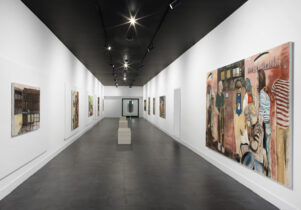
The Women in Jazz Photography exhibition – images of jazz captured by women – runs alongside all afternoon. Between the music and the walls, there’s plenty to explore. And the whole thing is free. For a festival that’s spent 10 days making a case for contemporary jazz’s range and ambition, it’s a generous way to bow out.