



DJ HELL at The Golden Lion
Johnny James, Managing EditorBook now
DJ HELL
Always double check opening hours with the venue before making a special visit.
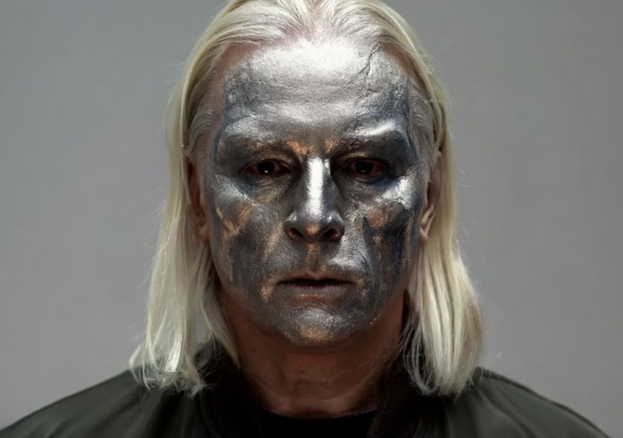
It’s kind of funny. An electronic auteur, a veteran of the world’s major clubs, and the man who named electroclash – playing a pub in Todmorden.
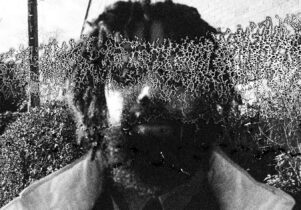
DJ Hell has been central to club culture since the 1980s – not just as a DJ and producer, but as someone who understood electronic music as a whole aesthetic world. With International Deejay Gigolo Records, founded in Munich in 1996, he didn’t just help name electroclash – he built the conditions for it to exist, releasing era-defining work by Miss Kittin & The Hacker, Fischerspooner and Tiga, and establishing a template that fused new wave, punk, techno and camp into something deliberately artificial and seductive.
That template is the subject of Neoclash, his 2025 album and something of a manifesto. His argument is that electroclash was never a style frozen in time but an attitude – machines, pop arrogance, irony, queer energy – and that club culture has since slipped into what he calls an aesthetic crisis: smooth, optimised, drained of friction and risk. Neoclash is his corrective, drawing on Italo disco, new wave, acid and Detroit techno, treating electroclash less as a period to revive than a methodology to reactivate.
Teufelswerk (2009), his two-disc conceptual opus split between ambient Day and jackin’ Night sides, is a record that treats electronic music less as a tool for the dancefloor and more as a space for atmosphere, narrative and contrast – euphoric yet introspective, mechanical yet deeply human, with Bryan Ferry providing a surreal, lounge-lizard counterpoint. It is, according to the Guardian, “one of the most ambitious and cogent dance music albums of all time.”
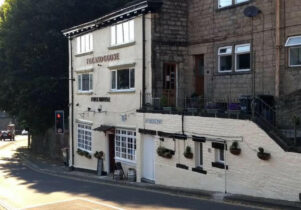
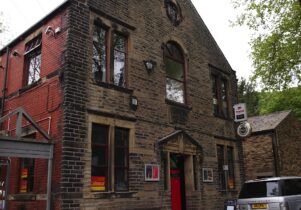
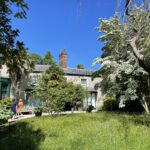
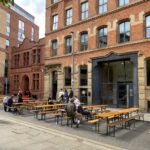
In that light, The Golden Lion makes a kind of sense. The place has a lot of the things Hell seems to prize – a communal, oddballs-and-misfits energy – and little of the polish he seems suspicious of. There’s a reason why Andrew Weatherall, Joy Orbison, The Orb, Groove Armada, Goldie and Jarvis Cocker have all popped up there over the years.
Infrared Beam residents CP & ES warm up the main room; Dance Therapy take upstairs with house from Karl Roscoe and Martin McNulty of Kindergarten.