

















Black Country Type II at The Modernist
Johnny James, Managing EditorVisit now
Black Country Type II
Always double check opening hours with the venue before making a special visit.
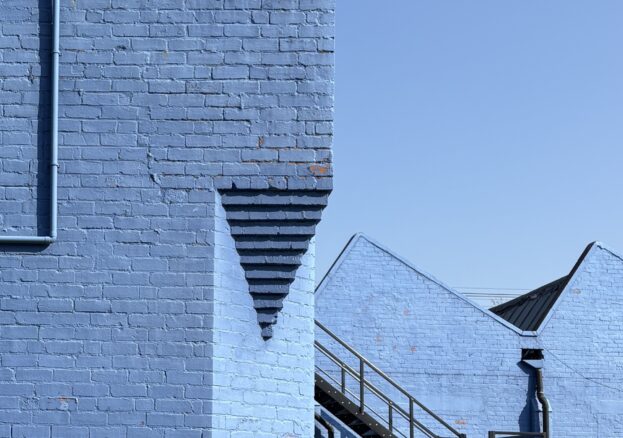
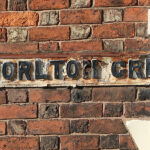
The Black Country. Not always the first place people associate with colour, design and typography – but Tom Hicks has spent years looking closely enough to challenge that. In Black Country Type II at The Modernist, the photographer turns his attention once again to this post-industrial landscape, hunting for those small visual clues through which a place’s past and present are revealed – handmade signs, fragments of lettering, architectural details, odd objects, flashes of humour and the quietly surreal.
The exhibition marks the forthcoming publication of the second volume in Hicks’ ongoing Black Country Type project. The first volume sold out quickly after its 2023 release and went on to attract international attention. Following strong demand for more of Hicks’ work, this new instalment brings together previously unseen images that capture a changing landscape – before it disappears.
Again, the photographs come from Hicks’ freeform walks and cycle rides through his native region, eying up details that might otherwise evade attention. His interests intersect in each shot: art, typography, architecture, design, popular culture and history. Some capture hand-painted signage and fading lettering, others the geometry of shopfronts, façades and industrial remnants, where colour and composition combine to produce something visually striking.
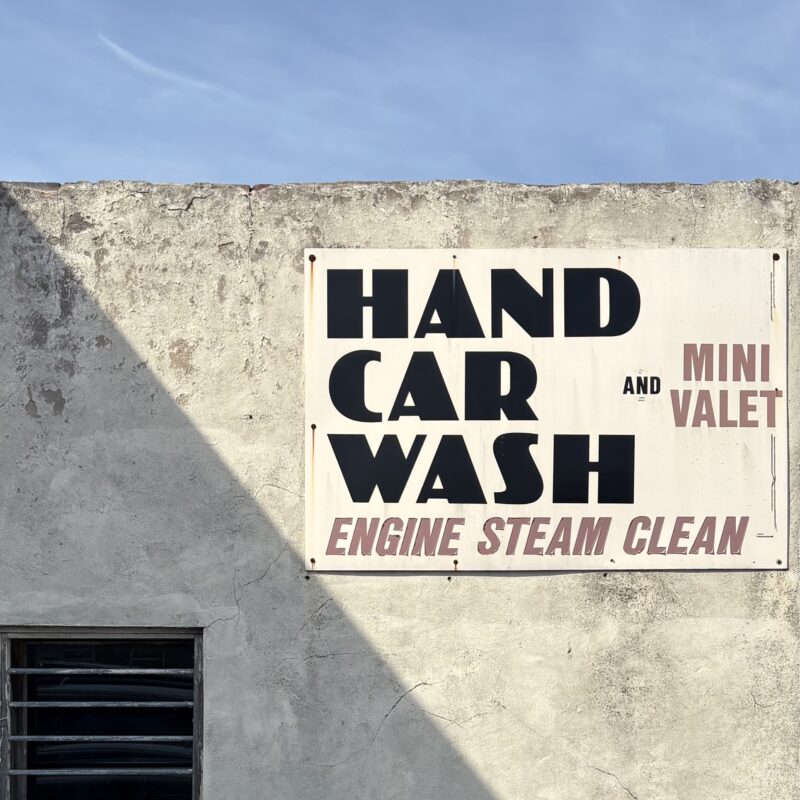
In this project, Hicks works with direct sunlight – a risky dependency for a British photographer – using it to heighten colour and contrast. In one shot, a surreal line-up of Henry Hoovers sits along a corrugated rooftop, their maniacal grins set against an almost Californian sky. In another, a boarded-up shopfront, scrawled with “DOG ARSE”, is flooded with light, the deadpan graffiti and weathered surfaces taking on an almost idyllic clarity.
Across everything is a record of the Black Country’s character, wit and endurance – attentive studies of a place shaped by industry, change and the marks people leave behind. In the book’s foreword, Robert Plant calls it “a startling study of our fractured, crazy place”. Barry Phipps, an Art Historian at The University of Cambridge, describes the it as a “profound meditation on how creativity, place and time inform one another and how together they shape identity”.
Hicks’ photographs don’t reimagine the Black Country so much as reveal what’s hidden within it – caught in just the right light.