


















The Whitworth
Creative TouristVisit now
The Whitworth
- Tuesday10:00am - 5:00pm
- Wednesday10:00am - 5:00pm
- Thursday10:00am - 9:00pm
- Friday10:00am - 5:00pm
- Saturday10:00am - 5:00pm
- Sunday10:00am - 5:00pm
Always double check opening hours with the venue before making a special visit.
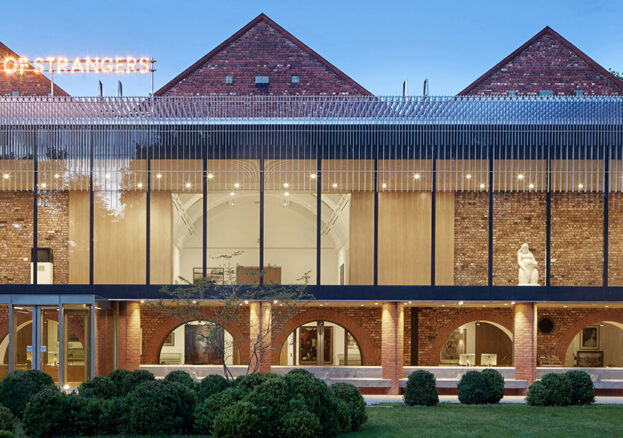
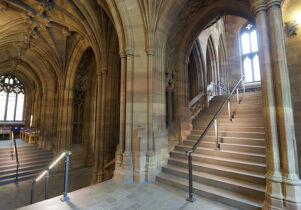
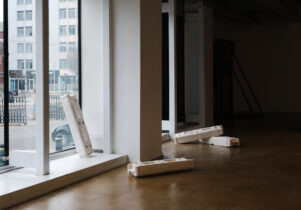
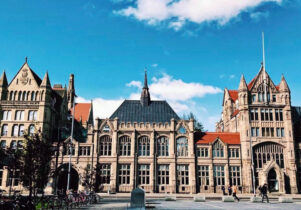
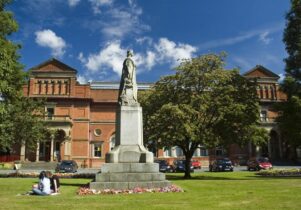
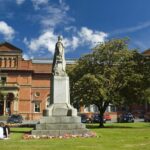
Tucked off Oxford Road and sitting flush against Whitworth Park, The Whitworth is one of Manchester’s leading art galleries, and now, under the direction of Sook-Kyung Lee (of London’s Tate Modern fame), it’s looking towards wider global appeal.
The gallery was founded in 1889 as the first English gallery in a park in memory of the industrialist Sir Joseph Whitworth, “for the perpetual gratification of the people of Manchester”. In recent years its contemporary exhibitions programme and international collections have catapulted The Whitworth towards the international art world orbit.
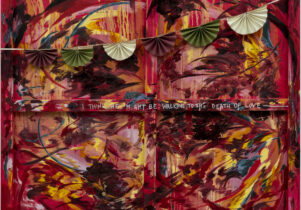
The Whitworth’s programme features world-famous names, both from the contemporary art scene as well as the old masters: one month you’ll find JWM Turner’s prints and the next, a show of indigenous paintings from South America. It’s a regular spot in all city-wide cultural events too, such as Manchester International Festival.
This widespread renown reflects the gallery’s founding ambitions, dating back to when it first opened in 1908 with two of the world’s great collections: British watercolours and drawings, and world textiles.
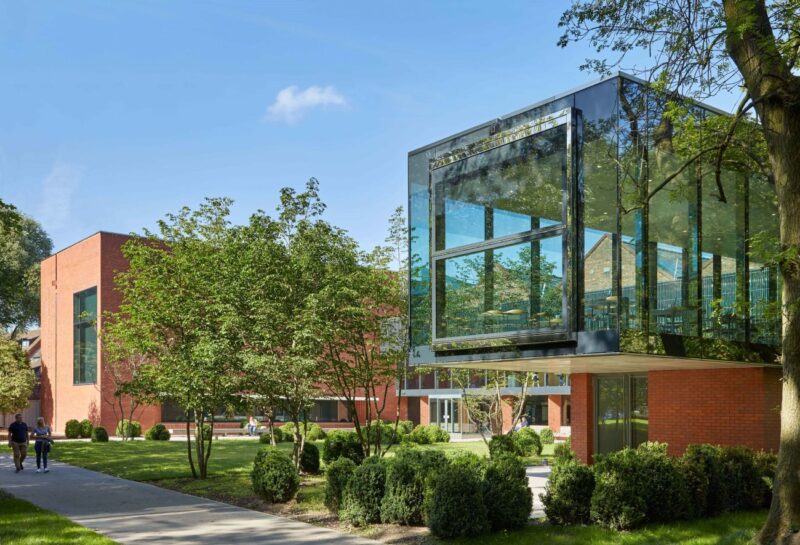
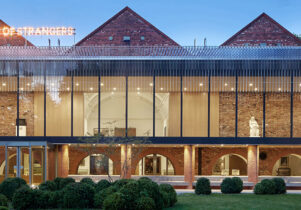
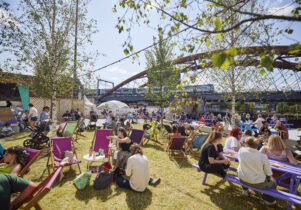
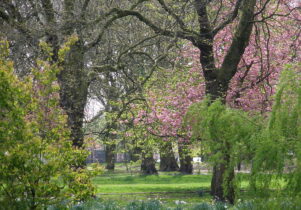
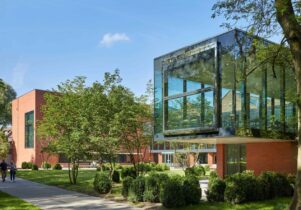
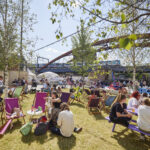
Notable features include an art garden designed by Sarah Price, a sculpture terrace and orchard garden, alongside beautifully-designed spaces that embrace the park, such as the landscape gallery and the café in the trees. Together, the attractions make The Whitworth both a tranquil place to visit yet welcoming to families.
This is partly thanks to The Whitworth’s 2015 £15 million development, which doubled the gallery in size and created new spaces that embrace the surroundings of Whitworth Park. Indeed, shortly after that transformation project, the gallery won Visit England’s gold prize for Large Visitor Attraction of the Year and the Art Fund’s Museum of the Year.
With an inspiring director at the helm, all eyes are on the bright future of The Whitworth, already a gem in Manchester’s cultural crown.
For more information about the upcoming exhibitions, visit the gallery’s website and check out our Exhibitions Guide.