






















Mark William Lewis at The White Hotel
Johnny James, Managing EditorBook now
Mark William Lewis
Always double check opening hours with the venue before making a special visit.
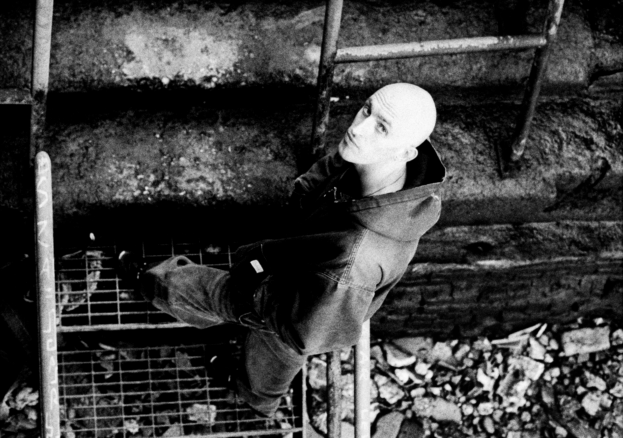
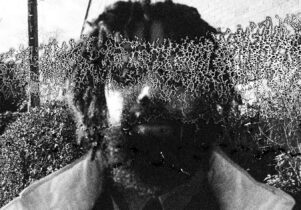
Not much is known about Mark William Lewis. Like his closest contemporary Dean Blunt, he operates in the shadows of London’s underground scene, leaving few breadcrumbs for fans or press to follow. And yet he’s one of the capital’s most hyped artists, his skeletal and introspective indie rock celebrated by the likes of Pitchfork and Fader.
Following two EP’s (Pleasure Is Everything and God Complex), Lewis dropped his first album, Living, in 2023. Like the man himself, it’s a tricky thing to pin down. The lyrics are emotional but evasive, like a soul-bearing diary entry half scrubbed out. The music is just as elliptical, with spaced-out, warped guitars drenched in reverb and delays, and bass lines that feel unmoored, threatening to drift off at any moment.
But this the ambiguity kind of feels like the point; the unanswered questions only make you want to keep on searching. And it feels like you’re searching right there with Lewis, who comes across lost in thought while his weighty, creaking voice probes questions about life and death. Songs like ‘Enough’ and ‘Simple Passion’ sound wistfully heartbroken as they explore themes of alienation, intimacy and the toll of interpersonal turmoil, with melodic ideas that spiral away from themselves, as if searching for their own unattainable answers.
Williams’ second, self-titled album, dropped via A24 Music a few months ago. It deepens everything Lewis has been circling for years. He still writes in fragments – half-thoughts, crooked images, fleeting truths that flare and vanish – but this time those pieces feel anchored to actual places: houses, beds, parties, riverbanks, the corners of London that seep into the sound. He’s talked about the album as a kind of collage, thickly layered, like an impasto painting. You can hear that in the textures – harmonica treated until it becomes a drifting vapour, guitars that flicker between folk simplicity and something more ambient, even a trumpet, which powers the ghostly groove of ‘Still Above’.
‘Tomorrow Is Perfect’ is the clearest example of the place-logic he’s working with. Set around the river in Deptford, it unfurls like a nocturnal walk, all burning skies and storm imagery, its lyrics approaching words less as meaning than as texture. Elsewhere, songs like ‘Seventeen’ and ‘Skeletons Coupling’ lean into adolescence, escapism and the social entanglements that charge his writing. The closing ‘Ecstatic Heads’ places you vividly inside the room as the dying embers of a party fizzle out but people push on regardless. It’s a perfect end to a record that depicts the hazy transitional shift between night and day, as engulfing layers of harmonica, piano and drums gently crash into one another.
The album widens his world – you can feel the kinship with artists like Astrid Sonne and Chanel Beads – yet it stays rooted in the textures of his own life, in all their sentimental haze and disorientation. What steadies all this is that murmured baritone – soft, almost shy, but decisive enough to bind the collage together. It’s what makes the album feel both personal and strangely universal. A24 are known mainly for soundtracks, and there’s definitely a cinematic pull here; a late night introspection guided by folk simplicity and avant-pop abstraction. In The White Hotel, the songs should take on the shape they hint at on record: uneasy, shadowy and full of life at the edges.