






















City Of Making at The New Adelphi
Johnny James, Managing EditorVisit now
City Of Making
Always double check opening hours with the venue before making a special visit.
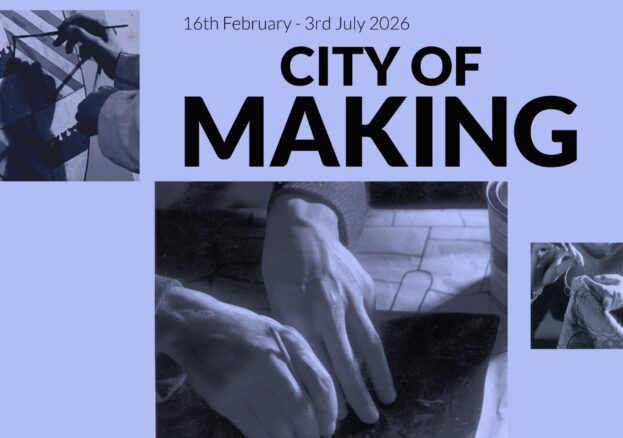
Salford is a city that makes things. From its roots in manufacturing and industry to today’s studios filled with artists, designers and creative technologists, making is part of its DNA. City of Making at the New Adelphi Exhibition Gallery captures that spirit, tracing a lineage that stretches from the factory floor to contemporary practice.
Running as part of Salford 100, the exhibition brings together works from the University of Salford Art Collection, new pieces by staff from the School of Art, Media and Creative Technology, and material drawn from the University Archives. In doing so, it creates a conversation across time – from the Royal Technical Institute of Salford’s founding in 1896 to the thriving community of makers currently working in places like Islington Mill, Hot Bed Press, and Paradise Works.
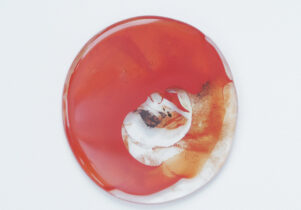
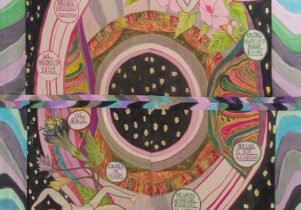
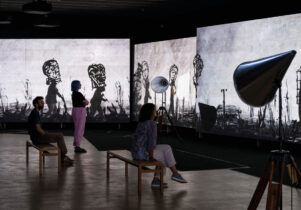
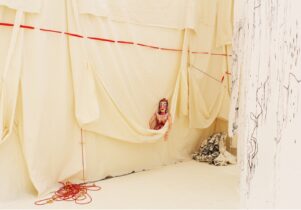
Prints, sculpture, drawing and mixed media works explore making as both process and philosophy. Some pieces foreground experimentation – form, material, function pushed and pulled into new shapes. Others turn to recycled materials and environmental questions, weighing production against sustainability. Across the show runs a more contemplative thread, exploring how we exist in relation to the technological and social worlds we build around ourselves.
The exhibition also reflects Salford’s collaborative spirit. Partnerships with Hot Bed Press, Islington Mill, Paradise Works and Salford Museum & Art Gallery speak to a shared commitment to sustaining creative practice locally and regionally. Archival material adds further texture, underscoring the University’s long-standing role in developing technical skills and shaping future workforces.
What emerges is a portrait of making not simply as output, but as joy, purpose and responsibility. In a city forged through industry and increasingly shaped by culture, City of Making invites us to consider what we produce – and what, in turn, produces us.