


Artists in Times of Upheaval: Censorship today with Tribe Arts
Creative TouristVisit now
Artists in Times of Upheaval: Censorship today with Tribe Arts
Always double check opening hours with the venue before making a special visit.
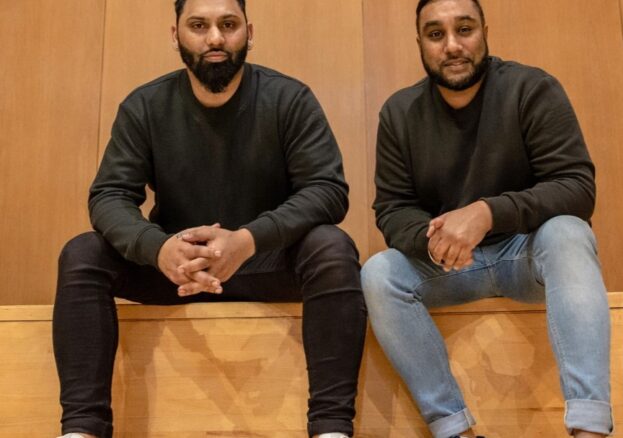
What happens to art when speech is monitored, platforms are fragile and making work carries real risk? That question sits at the heart of this free talk at Aviva Studios, part of the venue’s Artists in Times of Upheaval series.
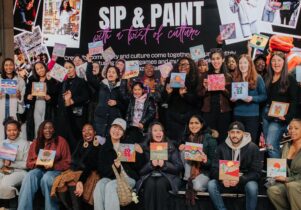
Led by Leeds-based radical theatre company Tribe Arts, the afternoon opens up a strand of dialogue they are developing around censorship in the arts and the conditions under which artists make work when speech is restricted. Formed in 2013 by a group of Black and Asian actors frustrated by misrepresentation on British stages, Tribe has long created politically engaged theatre that interrogates power, representation and resistance – often at the point where art meets surveillance, funding structures and public scrutiny. This event expands that enquiry outward, asking how artists continue to create under conditions of conflict, occupation and political repression.
In conversation with broadcaster and author Nihal Arthanayake, whose 23-year career at the BBC has earned him a reputation as one of radio’s most incisive interviewers, the discussion turns to the pressures shaping cultural production now. Who controls the boundaries of artistic speech – from state power to digital platforms? How do artists continue to create under conditions of conflict or occupation? And where do responsibility, risk and freedom collide?
Artists in Times of Upheaval focuses on practitioners working in and from areas most exposed to global instability, asking what space remains for art when life “as normal” no longer seems possible – and why artists continue regardless. For Tribe Arts, this event marks the beginning of a separate series of conversations they intend to continue independently, creating space to listen to artists working under pressure across borders and contexts.
Structured as a panel discussion followed by audience Q&A and informal networking, it’s an open, unfinished conversation. Crucially, it’s free – opening the door to a clear-eyed and urgent exchange about artistic freedom in the present tense.