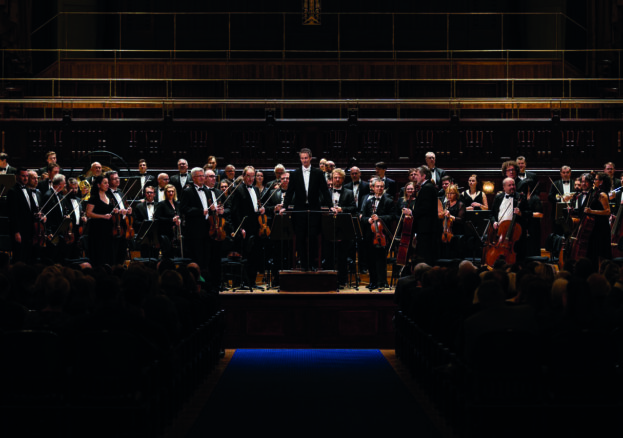
Czech National Symphony Orchestra at The Bridgewater Hall
The Czech National Symphony Orchestra celebrates the glorious music of its homeland – joined by British star violinist Chloë Hanslip.
from £5.00
The Czech National Symphony Orchestra celebrates the glorious music of its homeland – joined by British star violinist Chloë Hanslip.
from £5.00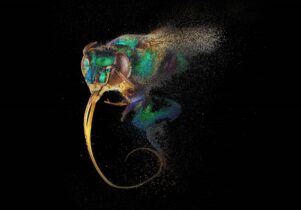
‘Bees: A Story of Survival’ seamlessly marries art and science to tell the fascinating story of bees and their essential role in nature.
from £0.00
Artist and composer Huang Ruo uses cutting-edge creative technology to bring a unique and interactive symphony to Manchester.
from £15.00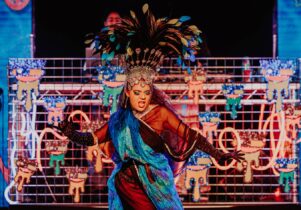
Trafford’s four-day annual exploration and celebration of LGBTQ+ arts is back for 2024. Expect performance, comedy, conversation and family fun.
from £0.00
Trailblazing pianist Utsav Lal scores Carl Theodor Dreyer’s haunting movie masterpiece.
from £5.50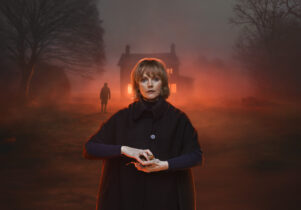
Maxine Peake, Sarah Frankcom and Imogen Knight will join forces once again to present Robin/Red/Breast, a chilling adaptation of a cult horror classic.
from £10
A special three day comedy festival in Manchester from the A Lovely Time comedy team.
from £6.00
Make the most of the sun in one of Manchester's many top-notch beer gardens.
Take me there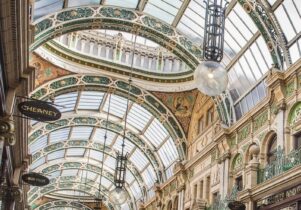
Leeds’ go to place for premium shopping, Victoria Arcade, has both style and substance in abundance.
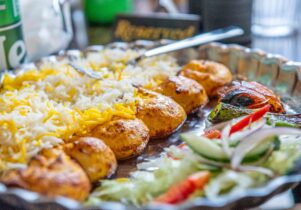
Much-loved Persian restaurant on Stockport in Levenshulme, reopened after a lengthy lockdown-related hiatus.

New food concept from the team behind Another Hand, based at Exhibition and serving up exceptional Persian cuisine.

The home of Arts & Humanities, the Manchester Writing School, Manchester School of Theatre and Manchester Poetry Library at Manchester Metropolitan University – off All Saints Park (Grosvenor Square)

A flawless culinary adventure through Britain’s best seasonal meat and seafood dishes.

The Rose & Monkey Hotel is one of the Northern Quarter’s best music-led bars, with a truly impressive beer garden. Our new favourite Manchester pub.
One of the year’s biggest restaurant launches, Skof comes to Manchester’s Noma district, headed up by star of Simon Rogan’s restaurants, chef Tom Barnes.
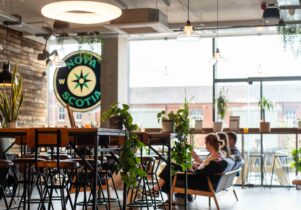
Laid-back elegant dining space opposite the Museum of Liverpool.
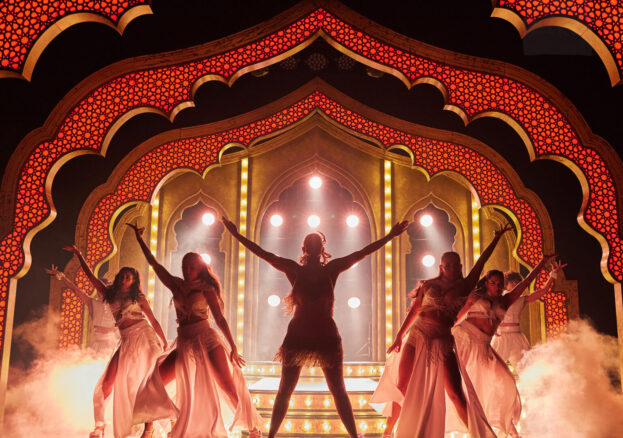
Check out our updated theatre guide for dynamic new dance, prosecco-popping outdoor performance and must-see musicals.

Read our latest highlights from the live classical music offer in Manchester and the North, taking in a number of the region's most cherished orchestral forces and venues.

We have an eclectic bunch of new gig picks for you this month, alongside free summer festivals and brand new concert seasons.

From the latest installment in the Mad Max franchise, to silent movie masterpieces we highlight the best new releases and big screen classics showing near you this month.
Check out our updated theatre guide for dynamic new dance, prosecco-popping outdoor performance and must-see musicals.

From intimate drawings and immersive displays on bees to the remaking of classic films, this month brings exciting new exhibitions.
From creative adventures, museum experiences and spectacular theatre, check out what's on for the family in Manchester and the north.

Take a look at our top recommendations for restaurants and bars to check out this spring.

In this month's Tours and Activities guide we're looking to get our minds blown and our world views expanded by science.

From spotlights on indie presses to big hitters brought to you by the bookshops, festivals and libraries, you'll find plenty to whet your wordy whistle this month.