





















Football pitches and piranha in Manchester – Bolivia.

Take the wrong turn when you’re looking for Manchester, Bolivia, and you might find yourself swimming with the fishes, discovers Neil McQuillian


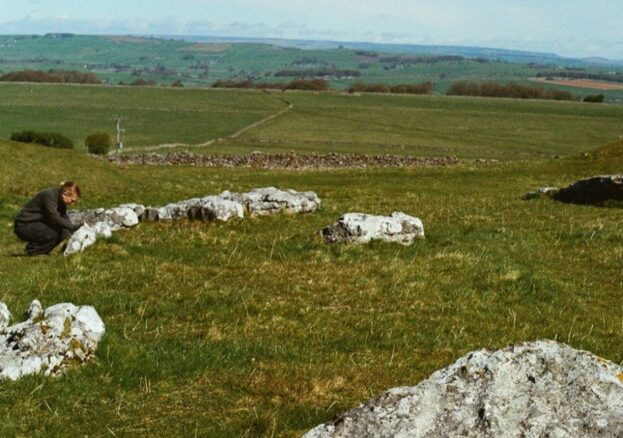
Manchester Museum’s Finding Manchester, Lost In Bolivia documents two photographers’ quest to visit the little corner of Amazonia that is forever Manchester. ‘Some years ago we were in South America and we had an old Russian air map of the area,’ says Chris Smith, who undertook the four-month trip with his partner Liz Peel. ‘Out of the blue, the name Manchester stood out amongst all the Spanish-sounding names.’

A few years later – ‘thinking of things to do’ – the duo learned that Manchester, Bolivia was founded in the late 19th Century by Anthony Webster-James, a young Mancunian engineer looking to make his fortune in the rubber boom. With further information tantalisingly hard to come by, Smith and Peel felt they had no choice but to travel to Bolivia themselves to find out more.

A farewell email

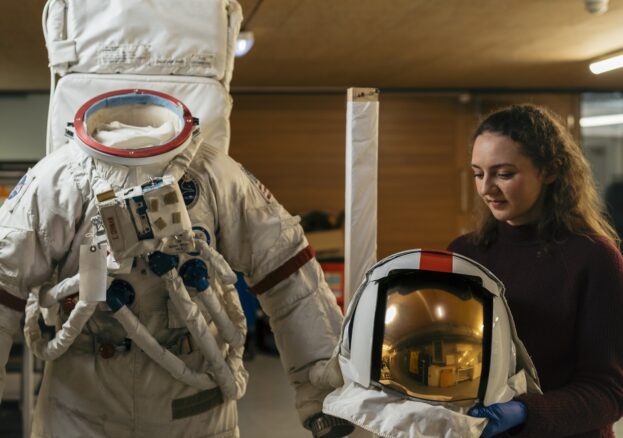
The exhibition, which opens this week, employs photographs and journal extracts alongside memorabilia and equipment from the trip to evoke the pair’s experiences: no easy task, given the extremity of an undertaking that began with what Smith ominously calls ‘a farewell email’ to friends and family.

‘That was a few days before reaching the Manuripi River itself. Then it was another 79 days before we got to Manchester and for the first six weeks we didn’t see anybody! One time we came around a bend and there was a woman in a dug-out canoe with two children, doing the washing. We ended up approaching them and stayed in their two-house village for three or four days before moving on to Manchester.’ They found that their final destination was home to less than 30 families living in huts around – perhaps fittingly – a football pitch.

Other than piranhas (‘it’s a great fish. Tastes a little like trout and it’s very easy to catch’), Smith and Peel ate ‘loads of Heinz sponge pudding’ and drank unfiltered river water. ‘The purifier broke down because of all the clay and silt in the river. But there are very few pathogens that will harm you because there aren’t many people around. So it was fine, even if it didn’t look clean. We did get worms from the fish, though.’

A world waiting to be seen

In spite of such details, Smith hopes the exhibition will inspire others to become more adventurous. ‘We want people to see that you can do something like this if you want to. You don’t have to have an army background or come from a family of explorers; you can learn the skills. We would rather take the occasional risk and live life to the full. There’s a world out there to be seen.’

With the adventure coming in at around £17,000, however, a trip to Manchester Museum and a pedalo down the Ship Canal may have to do for now.

Finding Manchester, Lost In Bolivia, Manchester Museum, 4 September–30 January 2011. Tuesday-Saturday 10am-5pm; Sunday, Monday, and Bank Holidays 11am-4pm). Free. Images: both Finding Manchester, lost in Bolivia @ Chris Smith/Liz Peel.

No related posts.

Filed Under: News & Blog

Tags:

RSSComments (1)

Leave a Reply | Trackback URL

  1. [...] and, apart from my talk at 1pm, we also have Chris Smith and Liz Peel here to talk about there expedition in Bolivia where they travelled by canoe through the rainforests of South America.   It’s looking like [...]

Leave a Reply

  • Find out more
    Join our mailing list
  • Join our club
    Creative Tourist Boutique
  • Creative Tourist iPhone app
    Creative Tourist iPhone app
  • Manchester hotels
    Book your stay