Until
Factory International Spring Season 2024
Factory International have announced a sensational Spring Season of world premiere performances, unmissable music and evocative arts events.

Factory International have announced a sensational Spring Season of world premiere performances, unmissable music and evocative arts events.
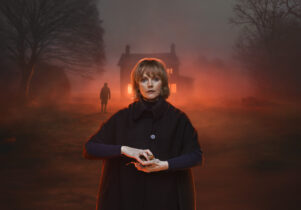
Maxine Peake, Sarah Frankcom and Imogen Knight will join forces once again to present Robin/Red/Breast, a chilling adaptation of a cult horror classic.
from £10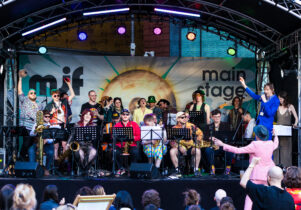
manchester jazz festival is back this May with 10 days of live music from some of the best northern, national and international musicians operating in the world of contemporary jazz.
0-£30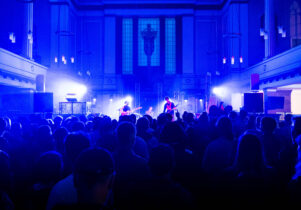
One of the country’s foremost festivals showcasing new and emerging talent, Sounds From The Other City is back over Early May Bank Holiday.
from £40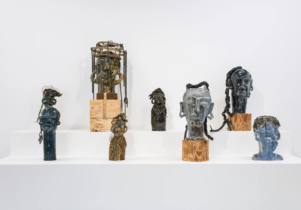
Leilah Babirye’s sculptures symbolise strength and the beauty of diversity. Visit her new show at Yorkshire Sculpture Park.
free entry

Explosive global dance and state-of-the-art visuals battle it out when the cultural superpowers of China and India go head-to-head in this vibrant world premiere performance.
from £10.00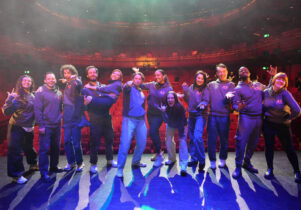
A remarkable true-story with a toe-tapping ’80s soundtrack, be lifted to new heights with this eagerly anticipated world premiere.
from £29.50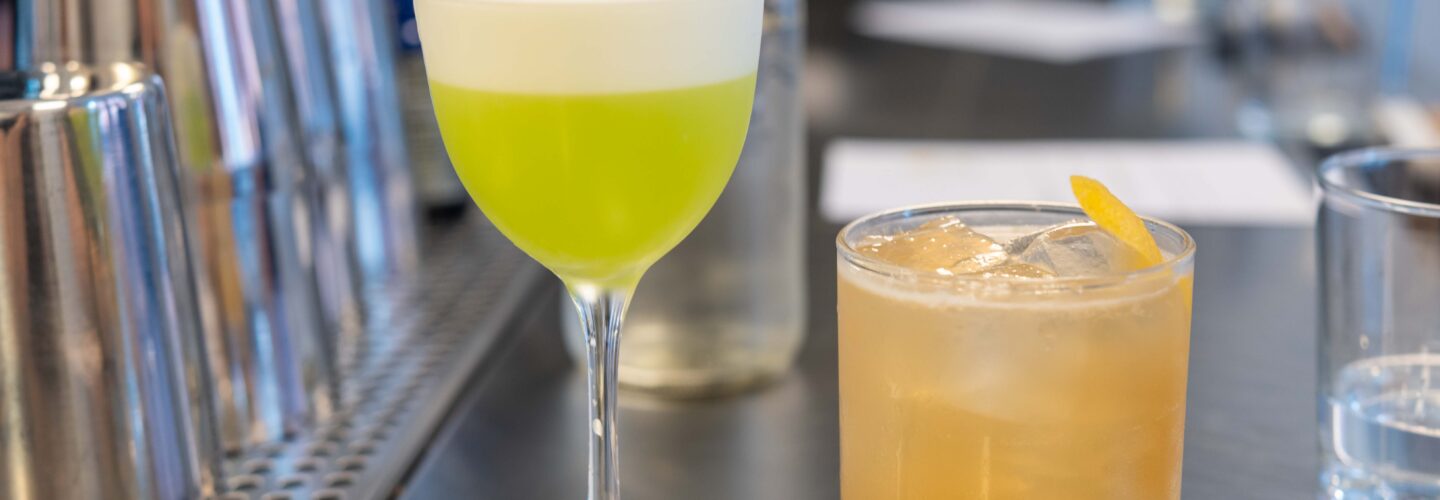
Plan your May Bank Holiday weekend with our top picks from music, art, theatre, food and drink spots, whatever the weather.
Take me there
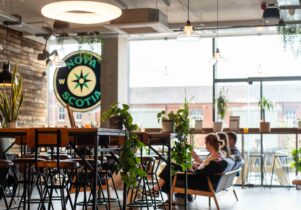
Laid-back elegant dining space opposite the Museum of Liverpool.
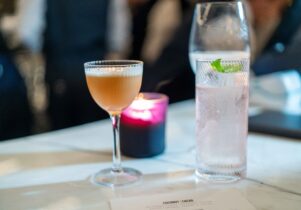
MAYA is a stylish new restaurant and bar on the corner of Canal Street and Chorlton in central Manchester.
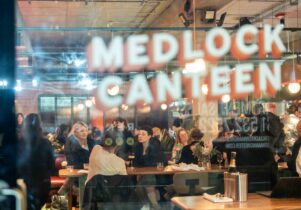
Medlock Canteen combines Parisian bistro style dining with a 50s diner look and feel.
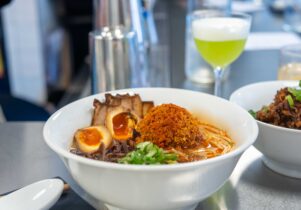
New Wave Ramen is a stylish, friendly Japanese ramen bar and restaurant on Tib Lane in the heart of Manchester.
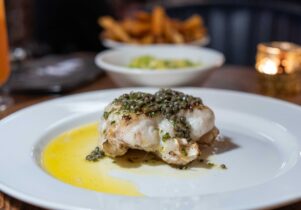
Lamb Of Tartary serves up high-end British cuisine, courtesy of Shaun Moffat, of Edinburgh Castle fame.
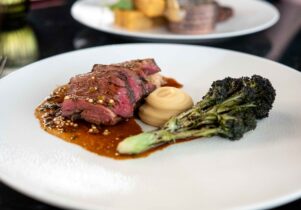
The Mezz is the new VIP area at the AO Arena, offering high-end food and drinks with great views of the stage.
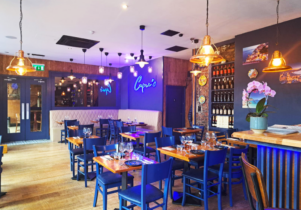
The King Street area isn’t short of popular Italian restaurants, but none strike quite the same note as Capri’s, where you’ll be greeted like family and served some of the most authentic Neapolitan food in Manchester.
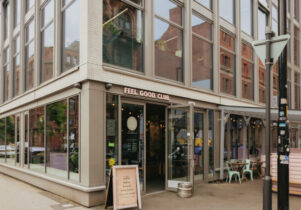
Our flagship Feel Good Club in Manchester, open 7 days a week, providing a beautiful friendly environment for coffee, brunch, lunch, cocktails and beers with an amazing selection of non alcoholic beverages too.
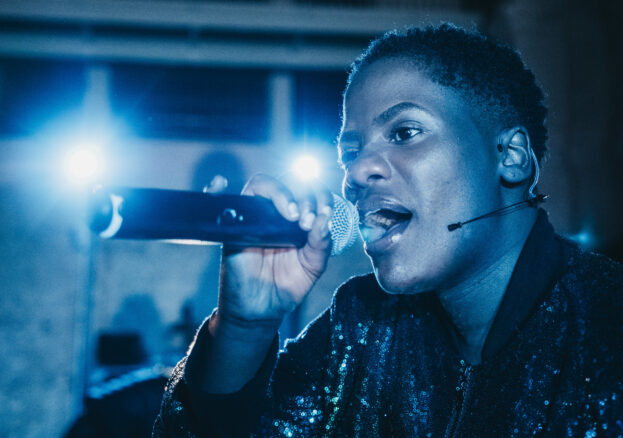
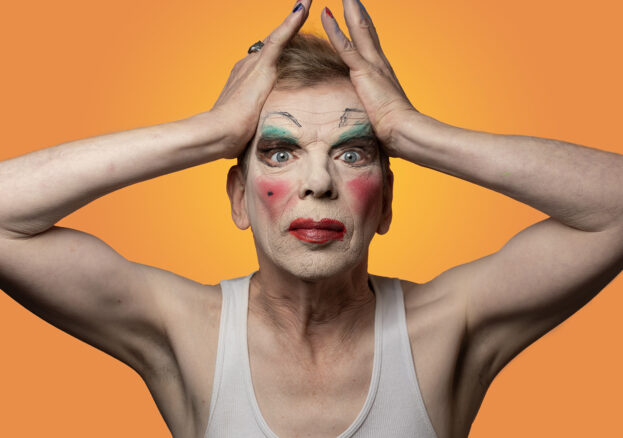
Eclectic as ever. You'll find Bollywood musicals, scratch nights and anarchic Shakespeare in our pick of the performative crop.

Eclectic as ever. You'll find Bollywood musicals, scratch nights and anarchic Shakespeare in our pick of the performative crop.

From spotlights on indie presses to big hitters brought to you by the bookshops, festivals and libraries, you'll find plenty to whet your wordy whistle this month.
From creative adventures, museum experiences and spectacular theatre, check out what's on for the family in Manchester and the north.
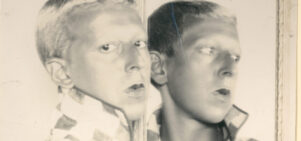
Traditional painting takes a step back this month to make way for some excellent photography, sculpture and multimedia exhibitions around the North.
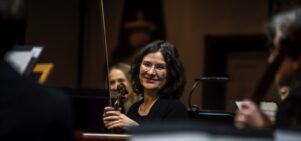
Read our latest highlights from the live classical music offer in Manchester and the North, taking in a number of the region's most cherished orchestral forces and venues.

Ealing Studios and the best of Ryan Gosling are amongst our film highlights this month.
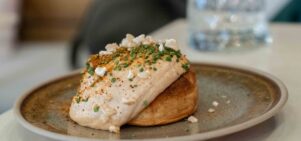
Take a look at our top recommendations for restaurants and bars to check out this spring.

Gazing longingly towards the good times that will accompany the surely imminent sun, we take a look at the best music festivals coming up in Manchester and Salford.

Try something new, explore somewhere different, learn a new skill with our tours and activities guide.