

















Liverpool Biennial 2025 – BEDROCK
Maja Lorkowska, Exhibitions Editor
Visit now
Liverpool Biennial 2025
Always double check opening hours with the venue before making a special visit.
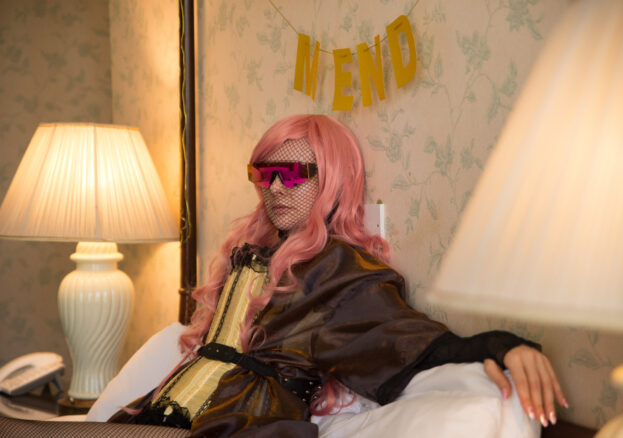
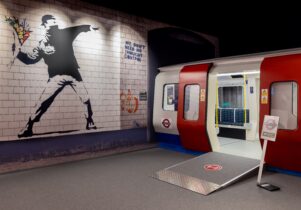
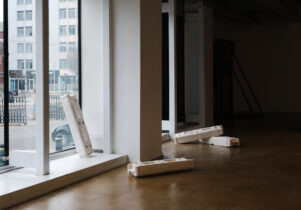
One of the most exciting events in the North’s art calendar is back, as Liverpool Biennial transforms galleries and off-piste spaces with a brand new theme and a whole host of fantastic artists.
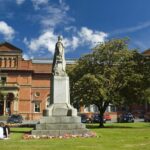
Curated by Marie-Anne McQuay, the theme for the 13th edition of Liverpool Biennial is ‘BEDROCK’. While the previous festival highlighted ancestral wisdom from around the world, this year it focuses on themes closer to home. Liverpool’s distinctive geography takes centre stage and acts as a starting point for many of the works: in literal terms, this refers to the sandstone which spans the city region and is present in a lot of the local architecture.
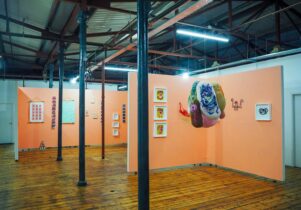
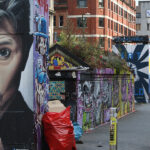
Taking place over 14 weeks, you’ll find art in traditional venues like the Walker Art Gallery and FACT as well as more unexpected locations like the SEVENSTORE designer clothing store in the Baltic, Princes Dock and even a pharmacy(!). As you’re walking between the venues, don’t forget to look down too, to find some not-so-hidden treasures by Kara Chin, embedded into the pavement.
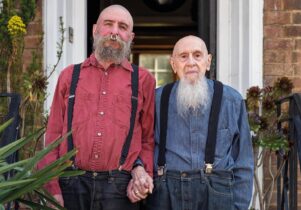
The festival features 30 artists and collectives from around the world, including Mounira Al Solh, Katarzyna Perlak and Sheila Hicks.
It’s always good to try to see as many different exhibitions as you can manage because the Biennial is the perfect place to discover new artists and stumble upon something you’d never usually see.
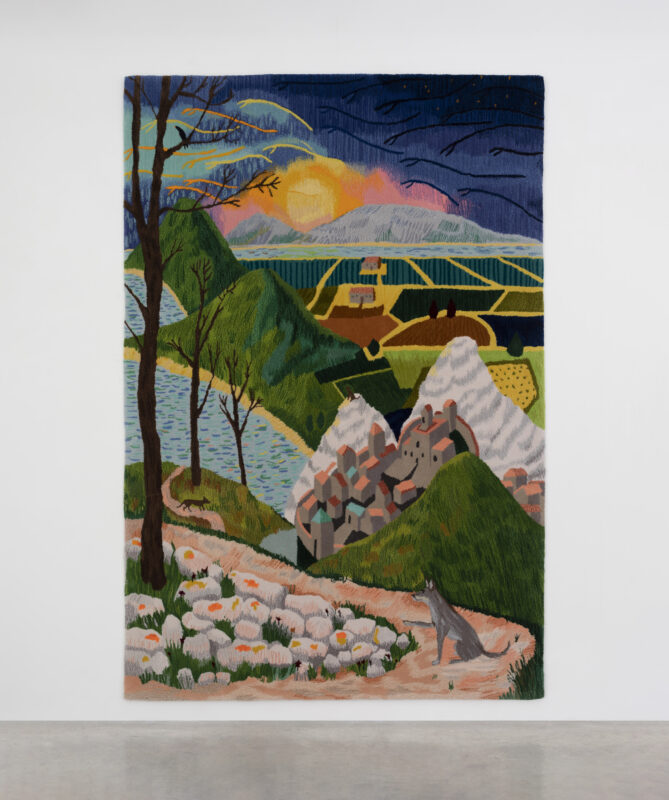
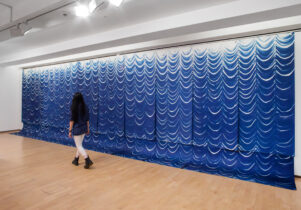
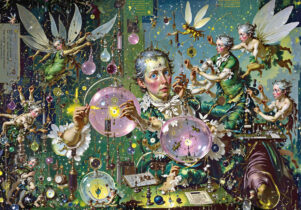
There are, of course, some instant highlights too: iconic textile artist Sheila Hicks’ work at Tate Liverpool x RIBA North; Isabel Nolan’s large-scale pieces that explode with colour in any medium they appear in; and the delicate works of Maria Loizidou in the glorious setting of the Anglican Cathedral.
The UK’s oldest art festival promises captivating art experiences, making Liverpool the ultimate destination this summer. Don’t miss it.

If you’re looking for a place to stay to really make the most out of your visit to Liverpool, check out our guide to hotels and hostels in the city.
Please note: all exhibitions are open Wednesday to Saturday, with public artworks open and accessible throughout the festival. Please check individual exhibition pages for specific opening times as some venues are open on Mondays, Tuesdays and Sundays. Keep an eye on the website too for information and booking details for workshops, talks and other events.